

Stop 01
Annapurna Permits: ACAP & TIMS
AnnapurnaExperience
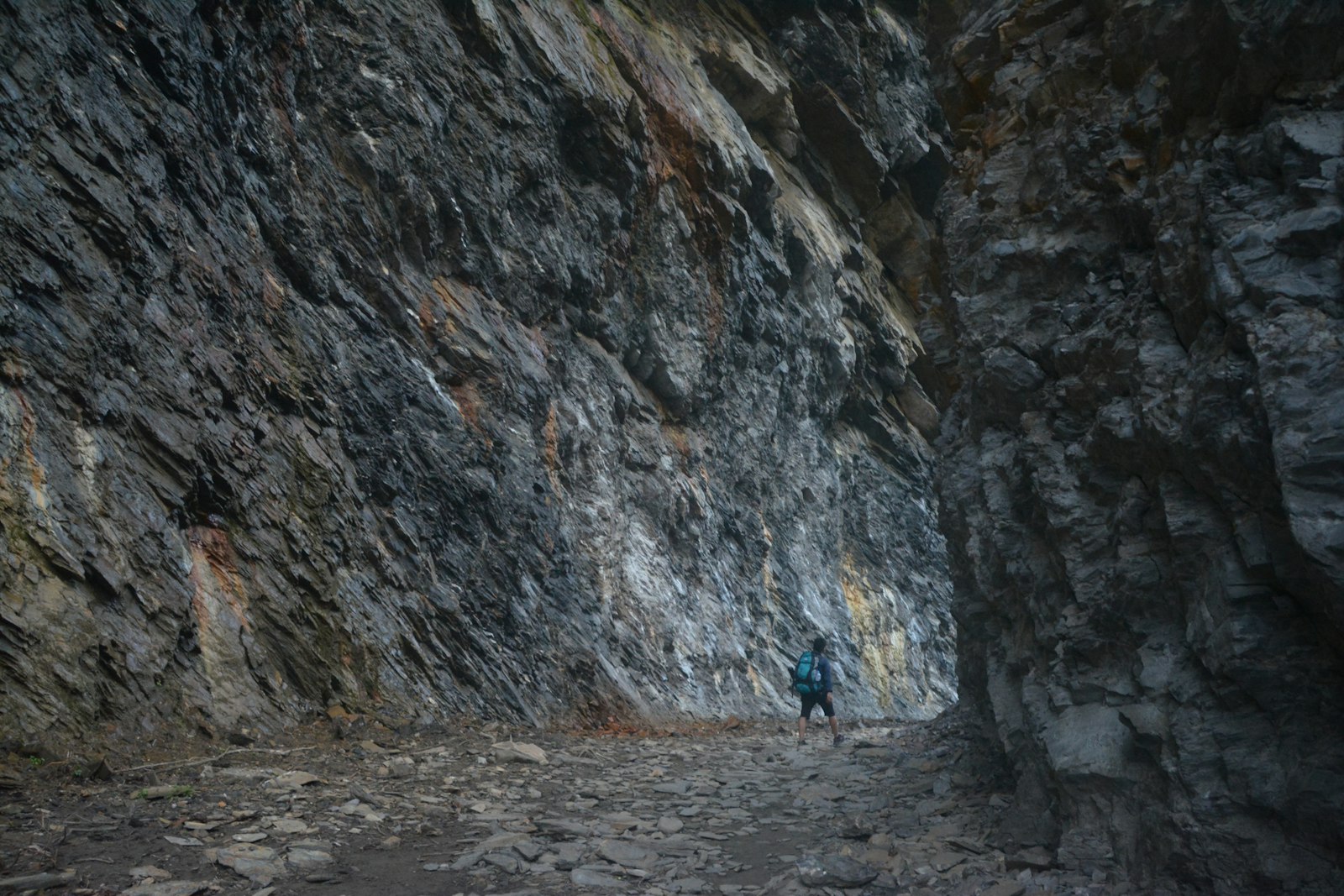
“Before you go: arrange your ACAP permit, confirm current TIMS rules, and consider hiring a registered guide for the high gorge section.”
Summary
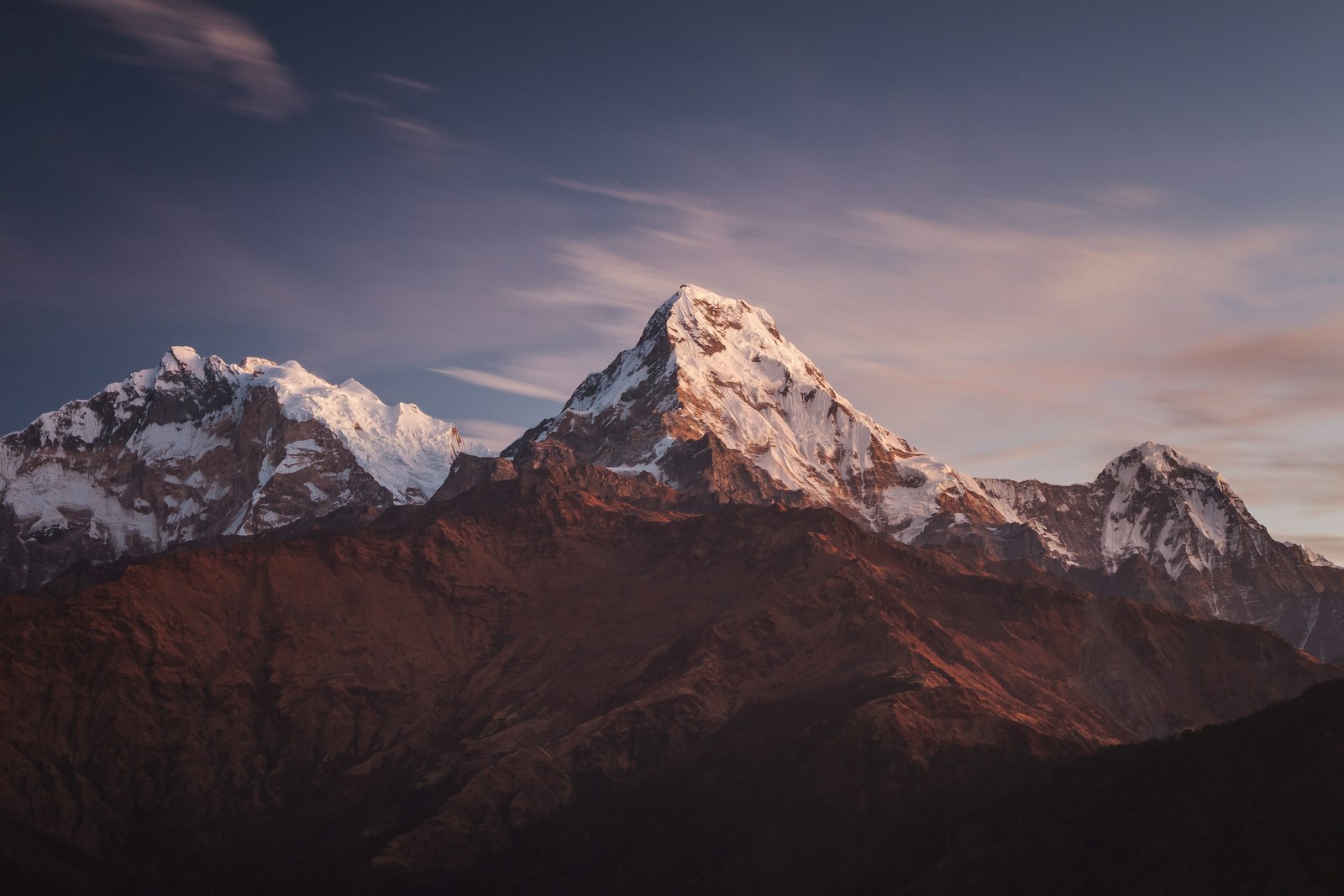
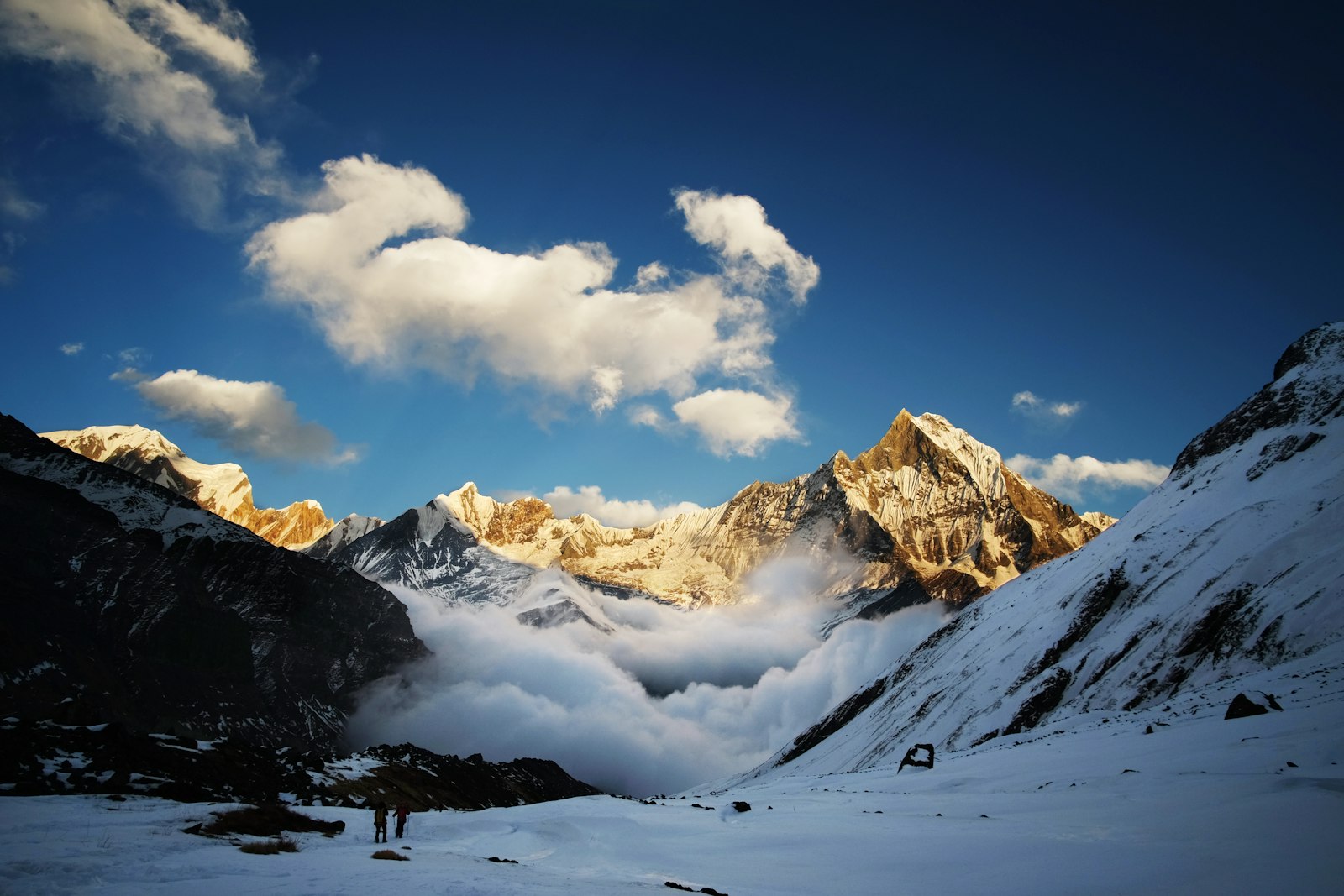
The classic Annapurna Sanctuary trek: roughly a week of teahouse walking up the Modi Khola gorge into a glacial amphitheatre at 4,130 m, ringed by Annapurna I, Machhapuchhre, and a wall of Himalayan giants. The region's signature multi-day trek.
Why this guide
It is the region's definitive trek — the most complete way to walk into the heart of the high Himalaya without technical climbing.
Good for
Fit trekkers with about a week, mountain lovers, and anyone wanting a true high-altitude objective on well-supported trails.
Skip if
Skip if you cannot give it enough days to acclimatise, or whenever avalanche risk in the upper gorge is elevated — choose Poon Hill or Mardi instead.
Story
The walk to Annapurna Base Camp (ABC) is the trek most people picture when they imagine Nepal: days of climbing through Gurung villages and a deepening gorge until the valley suddenly opens into the Annapurna Sanctuary, a high glacial bowl encircled by 7,000 and 8,000 m peaks. You sleep at 4,130 m surrounded by mountains on almost every side.
Reasonably fit walkers with about a week and the patience to gain height gradually. There is no technical climbing, but the days are long and the final altitude is real. It rewards trekkers who pace themselves and respect the mountains.
This is the most demanding of the three Annapurna treks here — a moderate but sustained route with long days, the famous Chhomrong staircases, and a genuine high-altitude finish. Acclimatise on the way up, walk slowly above Chhomrong, and never push to ABC if you are feeling the altitude.
Autumn and spring are the seasons. The single biggest hazard is avalanche in the upper Modi Khola gorge, particularly after heavy snow in late winter and early spring — sections between Deurali and MBC have a serious history of slides. This is not a route to improvise in poor conditions.
You need an ACAP permit (and historically a TIMS card — see the linked permits guide). Conditions, lodge openings, road-heads, and especially avalanche risk change constantly. Use this guide to plan, but confirm the current state of the trail with lodge owners in Chhomrong, a registered guide, or the Nepal Tourism Board before going high — and seriously consider a guide for this route.
On the map
The stops
AnnapurnaExperience
“Before you go: arrange your ACAP permit, confirm current TIMS rules, and consider hiring a registered guide for the high gorge section.”
GhandrukAttraction
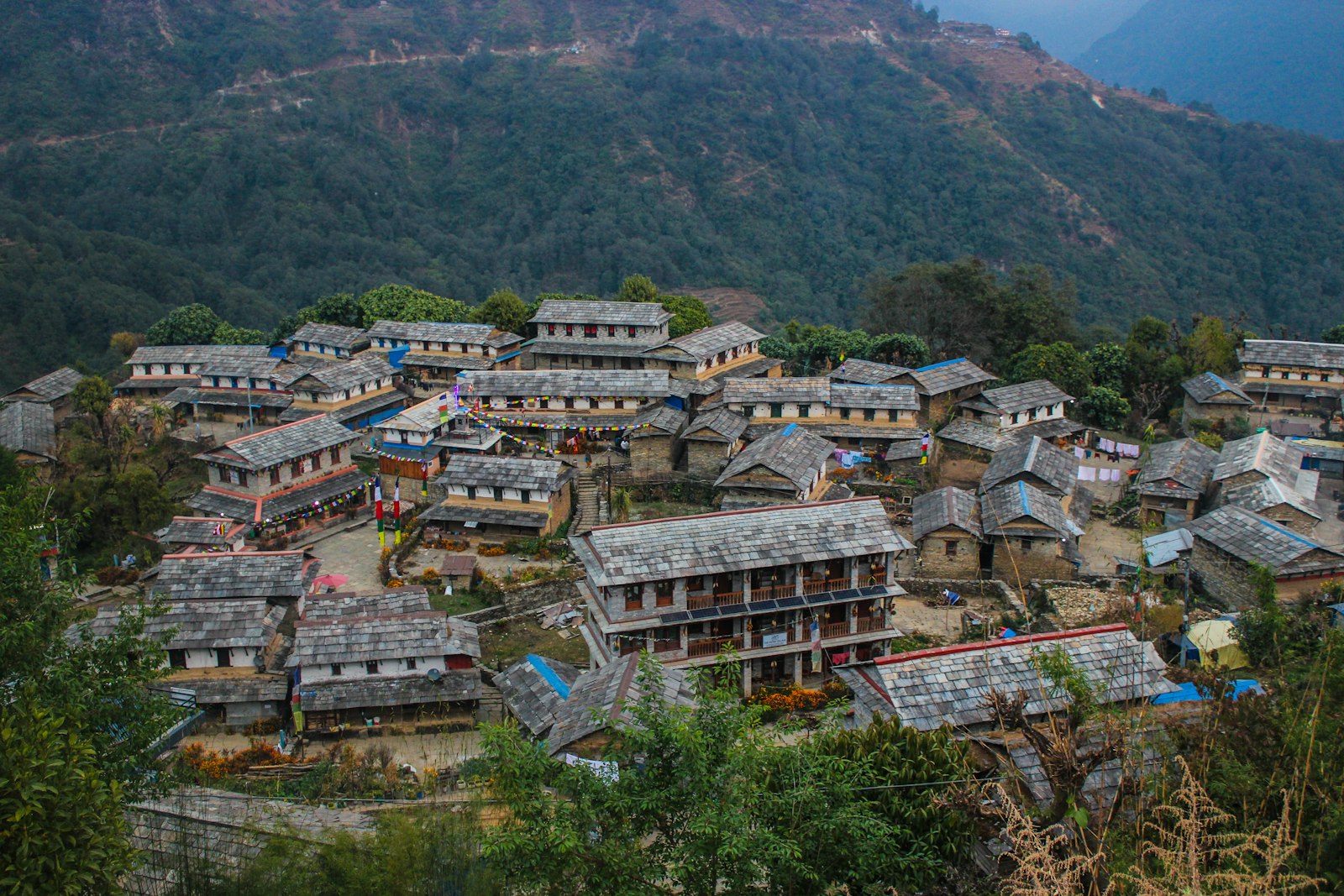
“Drive from Pokhara to Kimche or Nayapul and walk up to the Gurung village of Ghandruk for your first night and first big Annapurna South views.”
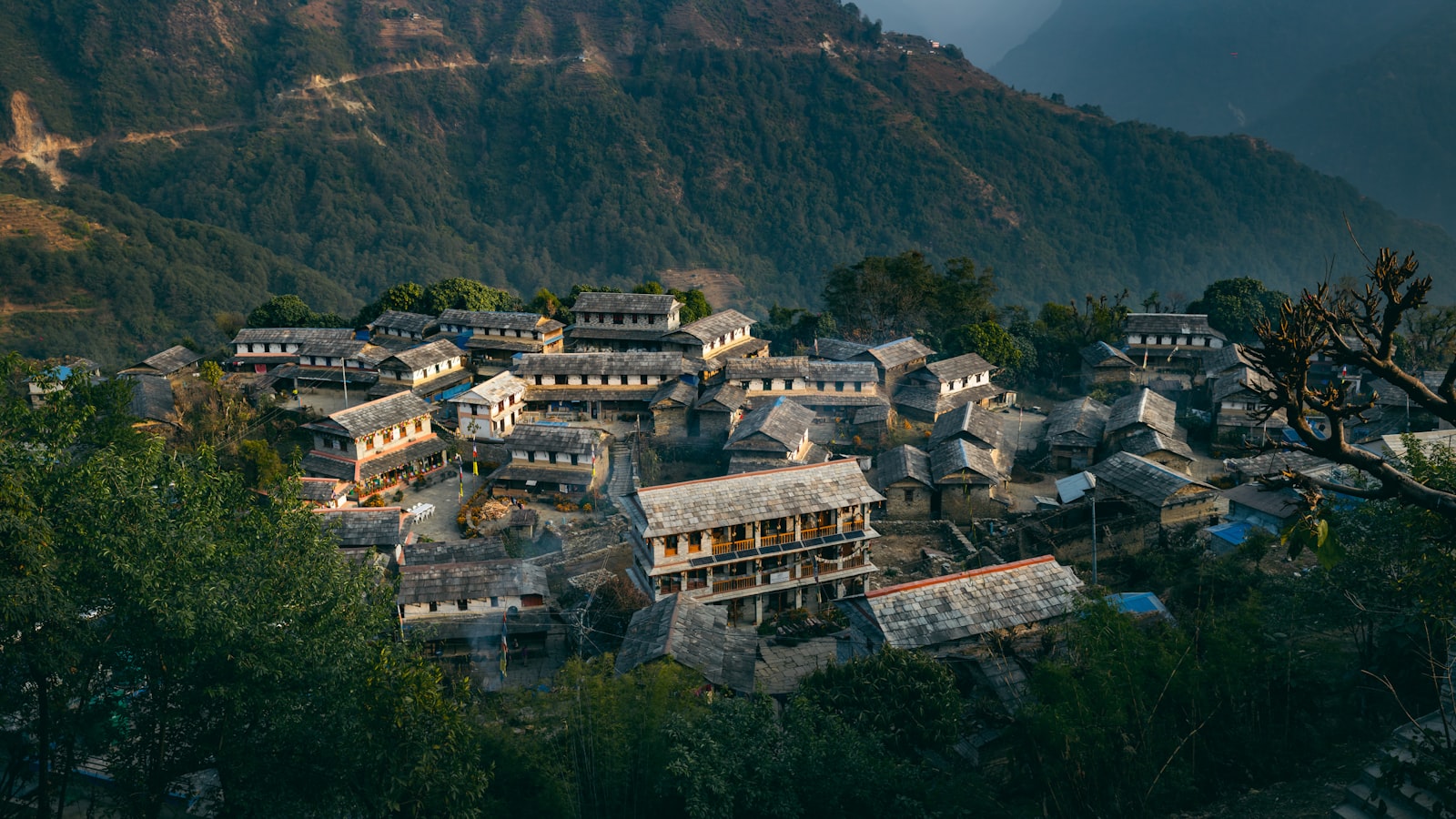
“Cross the Kimrong Khola and traverse to Chhomrong, the gateway village to the Sanctuary, with grandstand views of Machhapuchhre.”
ChhomrongAttraction
“Drop the long stone staircase to the Chhomrong Khola, then climb into the forested upper gorge. Confirm conditions higher up before leaving Chhomrong.”
“Follow the narrowing Modi Khola gorge up through bamboo and rhododendron to Deurali. From here the valley steepens toward the avalanche-prone upper section.”
Annapurna Base CampAttraction
“The big day: up past Machhapuchhre Base Camp (3,700 m) into the Sanctuary itself. Walk slowly for altitude and overnight at the ABC lodges for sunrise.”
“Watch the sunrise light the whole ring of peaks, then retrace your steps down the gorge — a long descent, but each step brings thicker, easier air.”
ChhomrongStay
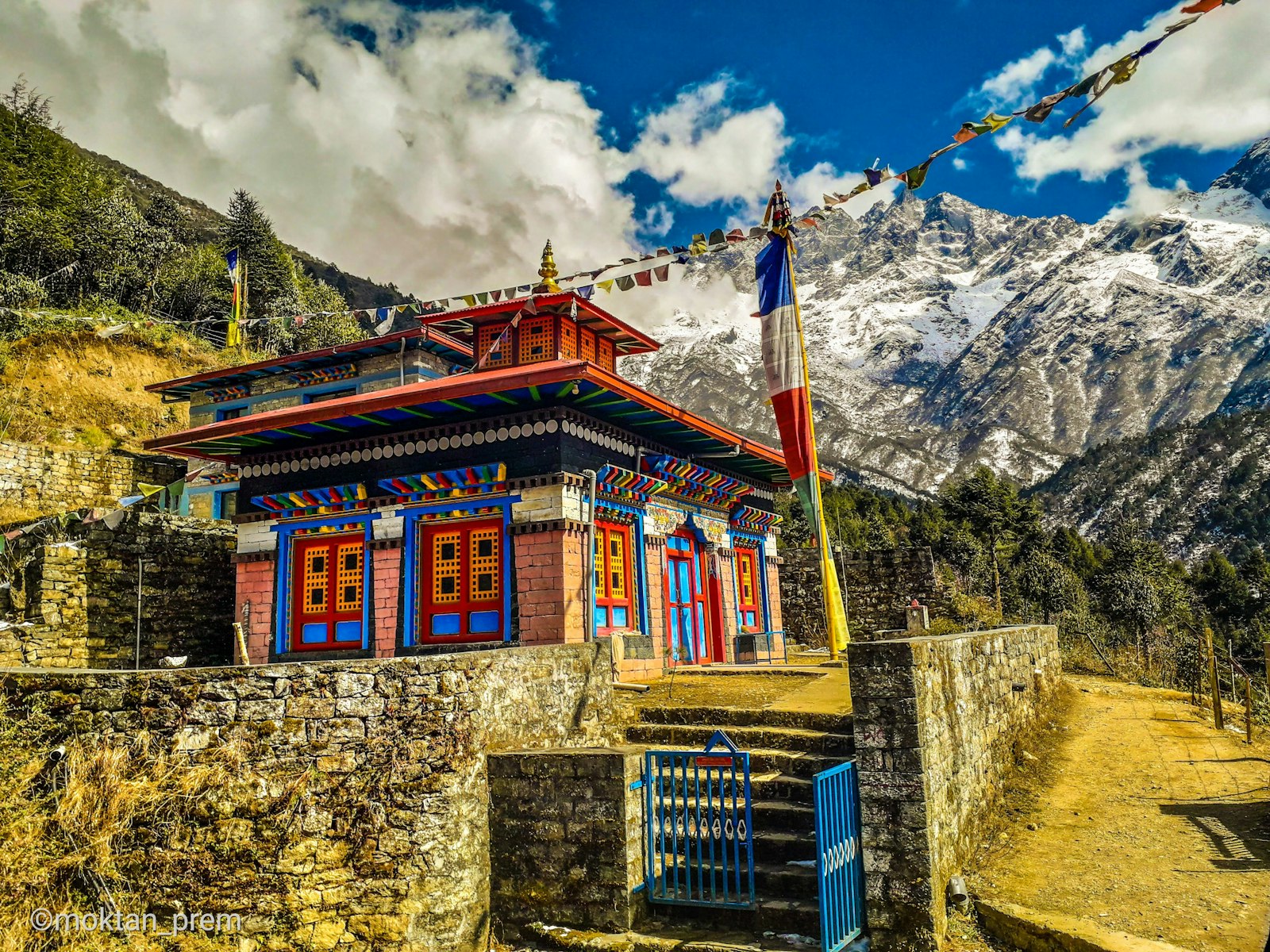
“Climb back to Chhomrong for a last bakery stop and view, then descend to the road-head and take a jeep back to Pokhara to recover.”