


Australian Camp
Pokhara · Viewpoint
Teahouses on a forest saddle staring up the fishtail peak — maximum view, minimum effort.
Destination
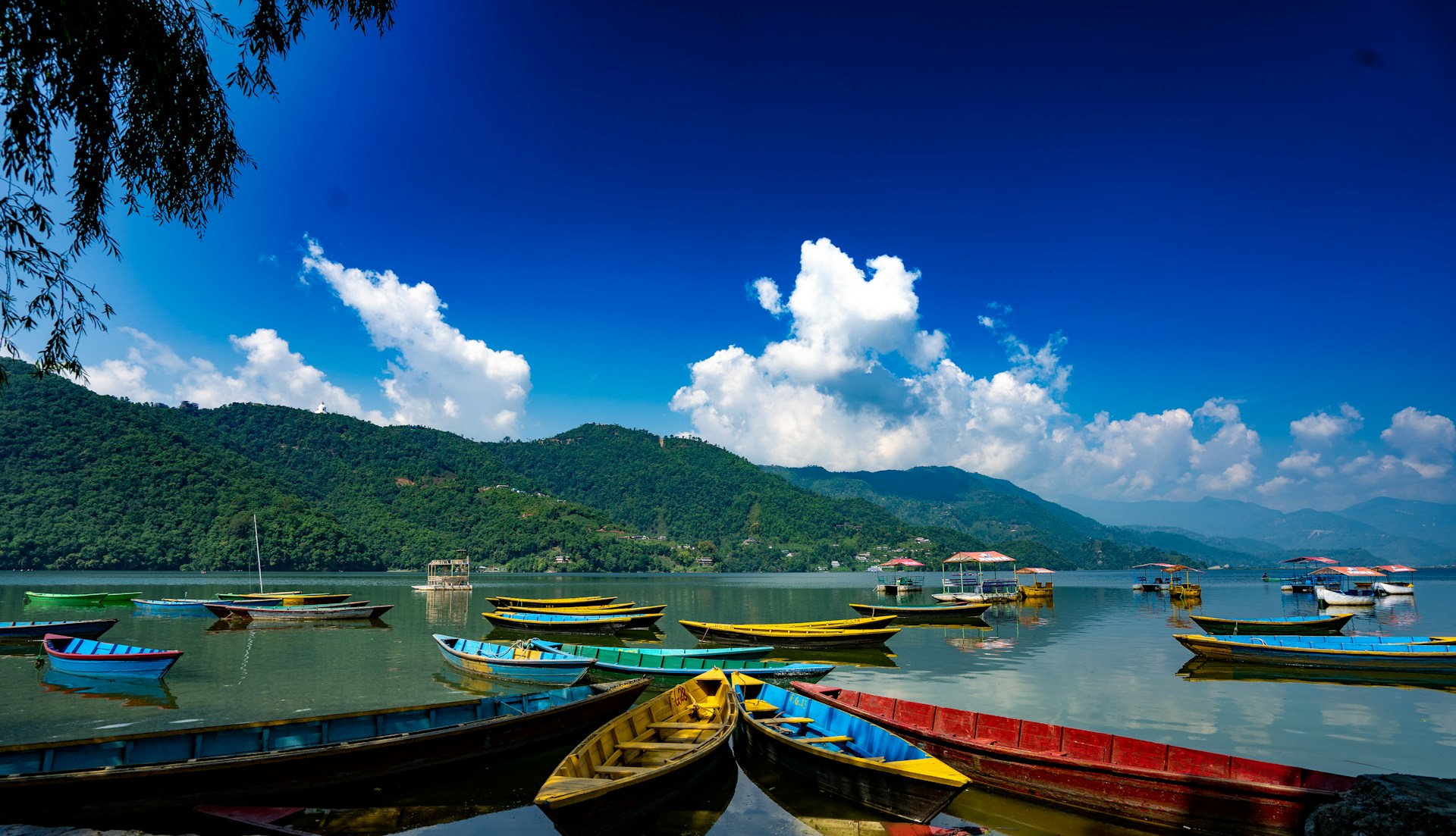
Lakeside city on Phewa Lake beneath the Annapurna and Fishtail peaks — Nepal's adventure and relaxation capital, and the gateway to the Annapurna treks.
Pokhara is Nepal's second city for visitors and its lakeside and adventure capital — a relaxed counterpoint to Kathmandu, set beside Phewa Lake with the Annapurna massif and the fishtail peak of Machhapuchhre rising directly to the north. For most travelers it is either a restful destination in its own right or the staging post for the Annapurna treks.
The city's rhythm centers on Phewa Lake: boating out to the Tal Barahi island temple, lakeside walks, and the cafes along the eastern shore (Lakeside). Above the city, Sarangkot is the classic sunrise viewpoint and the launch point for tandem paragliding — one of the most reliable places in the world to fly. The World Peace Pagoda crowns the ridge across the lake, and the International Mountain Museum adds context before or after a trek. Shorter stops like Davis Falls and Bindhyabasini Temple round out a half-day of sightseeing.
To plan, start with the First-Time Pokhara collection or the scenery-first Pokhara Lake and Viewpoints Day.
Pokhara is the staging post for the Ghorepani Poon Hill, Mardi Himal, and Annapurna Base Camp treks. A night or two here on either end is the standard way to sort permits and gear, then recover afterward with a hot shower, lakeside food, and a slow boat on the lake.
One to two unhurried days cover the city well: a lake-and-viewpoints day, a slower day for the pagoda, museum, or adventure sports, and plenty of cafe time in between. Pokhara rewards a gentler pace than Kathmandu.
Autumn and spring give the clearest mountain views; winter is mild at lake level with crisp mornings. Monsoon turns the hills lush but often hides the peaks and grounds paragliding — keep plans flexible and weather-led.
Mountain visibility is weather-dependent and never guaranteed, and adventure operators, boat fees, and viewpoint transport all change with season and conditions. Book activities through licensed operators, and confirm prices and conditions locally on the day.
Field guide
Start here
Skip Lakeside for a day — quiet water, terraced ridges, and fresh fish at the two lakes Phewa used to be.
Best for
temples, local-culture, weekend
Good in
Start with a guide: Skip Lakeside for a day — quiet water, terraced ridges, and fresh fish at the two lakes Phewa used to be.
On the map
Teahouses on a forest saddle staring up the fishtail peak — maximum view, minimum effort.

A short, pitch-dark crawl among roosting bats — Pokhara's quirkiest twenty minutes.

Phewa without the crowds — a quiet working lake ringed by terraces and homestays.
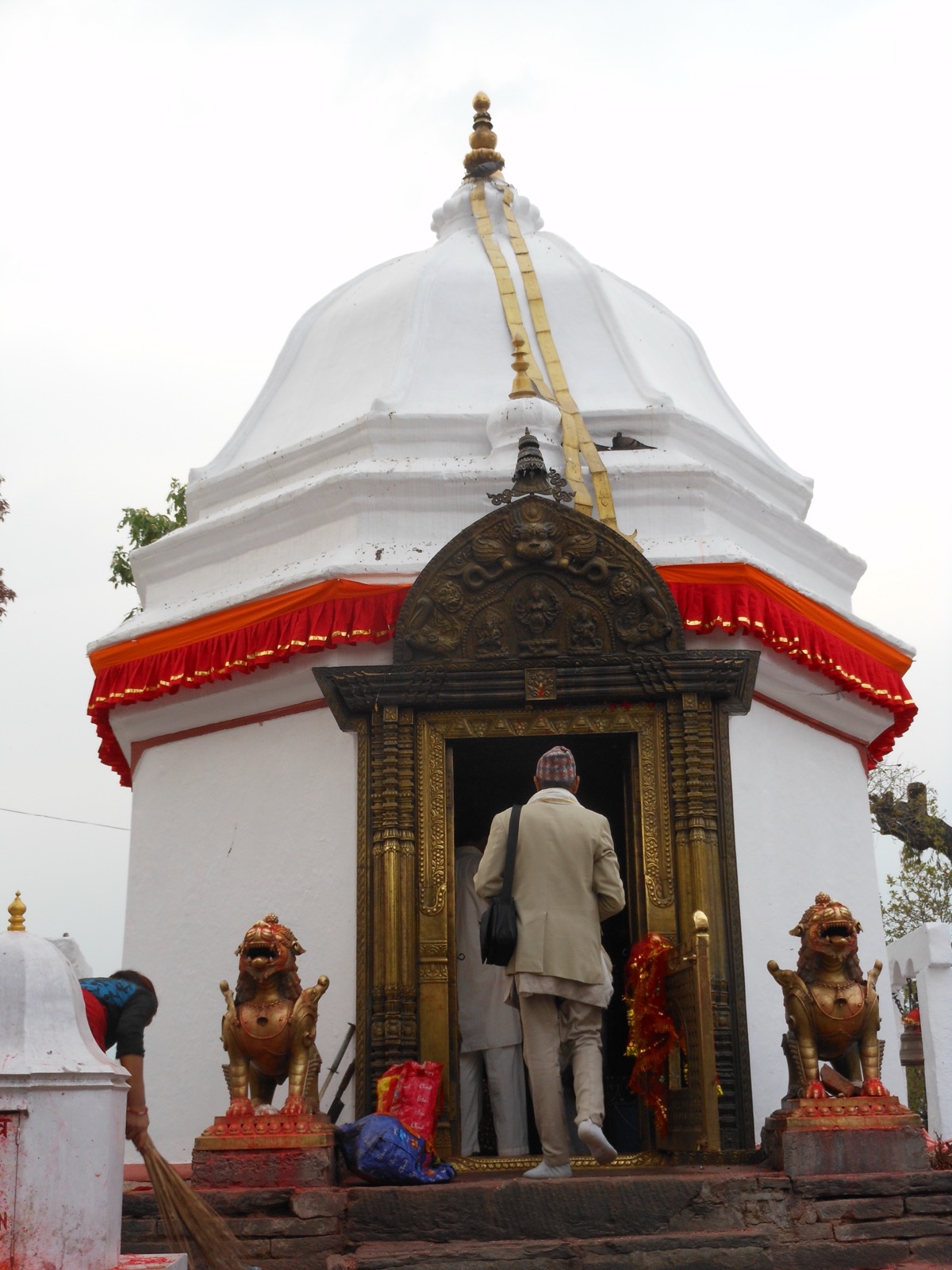
A central Pokhara temple stop with active local devotion and a modest hilltop setting.
“It rounds out Pokhara with a more local sacred stop beyond the city's better-known scenic landmarks.”

A value French bakery in north Lakeside loved for baguettes, pastries, and big breakfasts.
“It is the Lakeside bakery travelers keep coming back to — real French baking at honest prices, ideal for a pre-trek breakfast.”
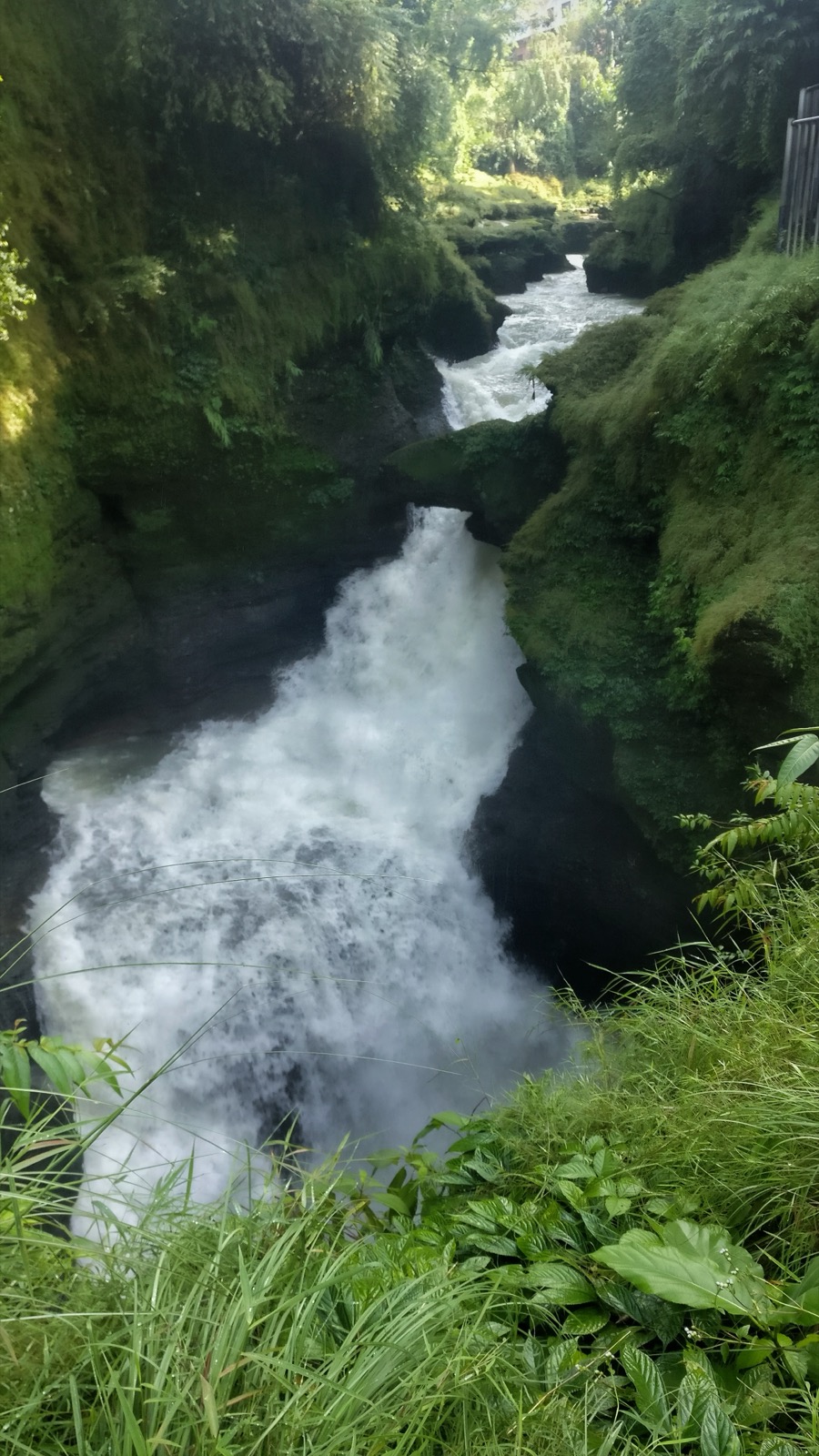
A river that drops into a sinkhole and runs underground — a quick, unusual stop paired with the cave across the road.
“It is genuinely unusual rather than just scenic — a disappearing river beside a sacred cave — and slots neatly into a half-day on Pokhara's south side.”

A Gurung ridge village facing the full Annapurna wall — the easiest overnight trek from Pokhara.

A sacred cave temple where Davis Falls resurfaces underground — Pokhara's classic two-stop pairing.
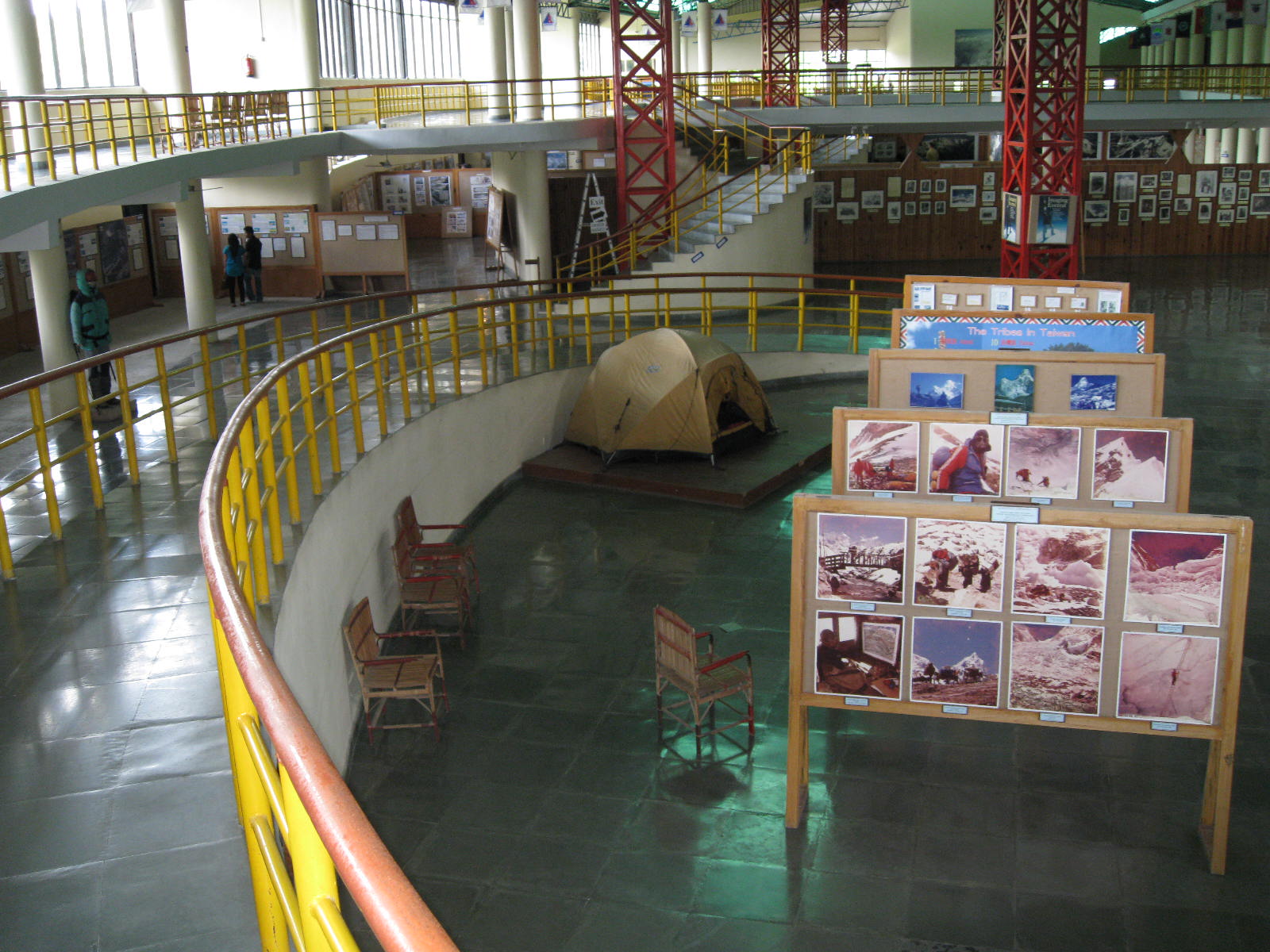
The best Pokhara stop for mountain context, expedition history, and Himalayan culture.
“It adds intellectual and cultural depth to a city often experienced only through views and cafés.”
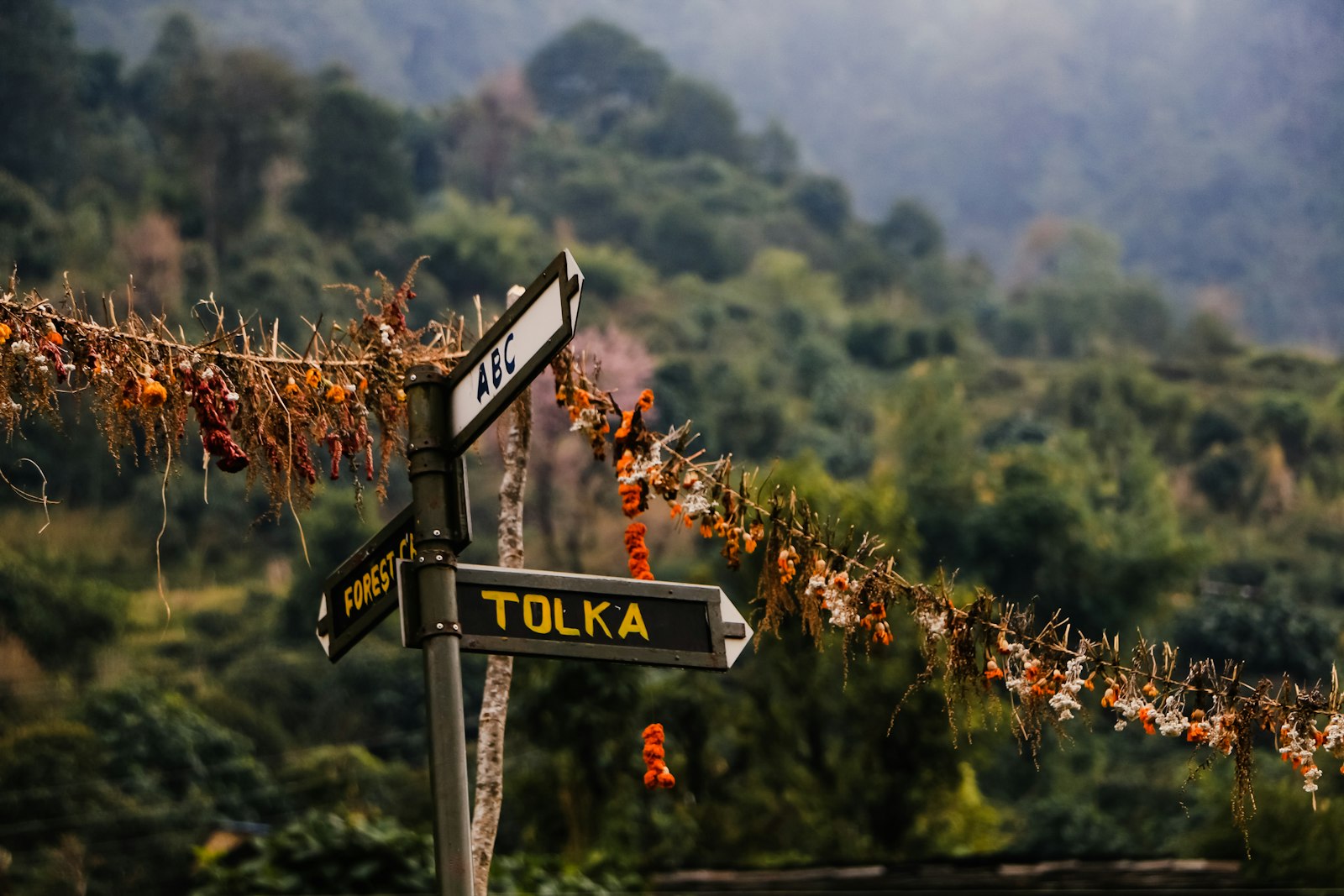
The daily 6–8 hour coach from Kathmandu to the Annapurna gateway.
“It is the practical, affordable backbone connecting Kathmandu to every Annapurna trek, and worth understanding before you go.”

Pokhara's big walk-in limestone cave — torchlit chambers on the northern edge of town.
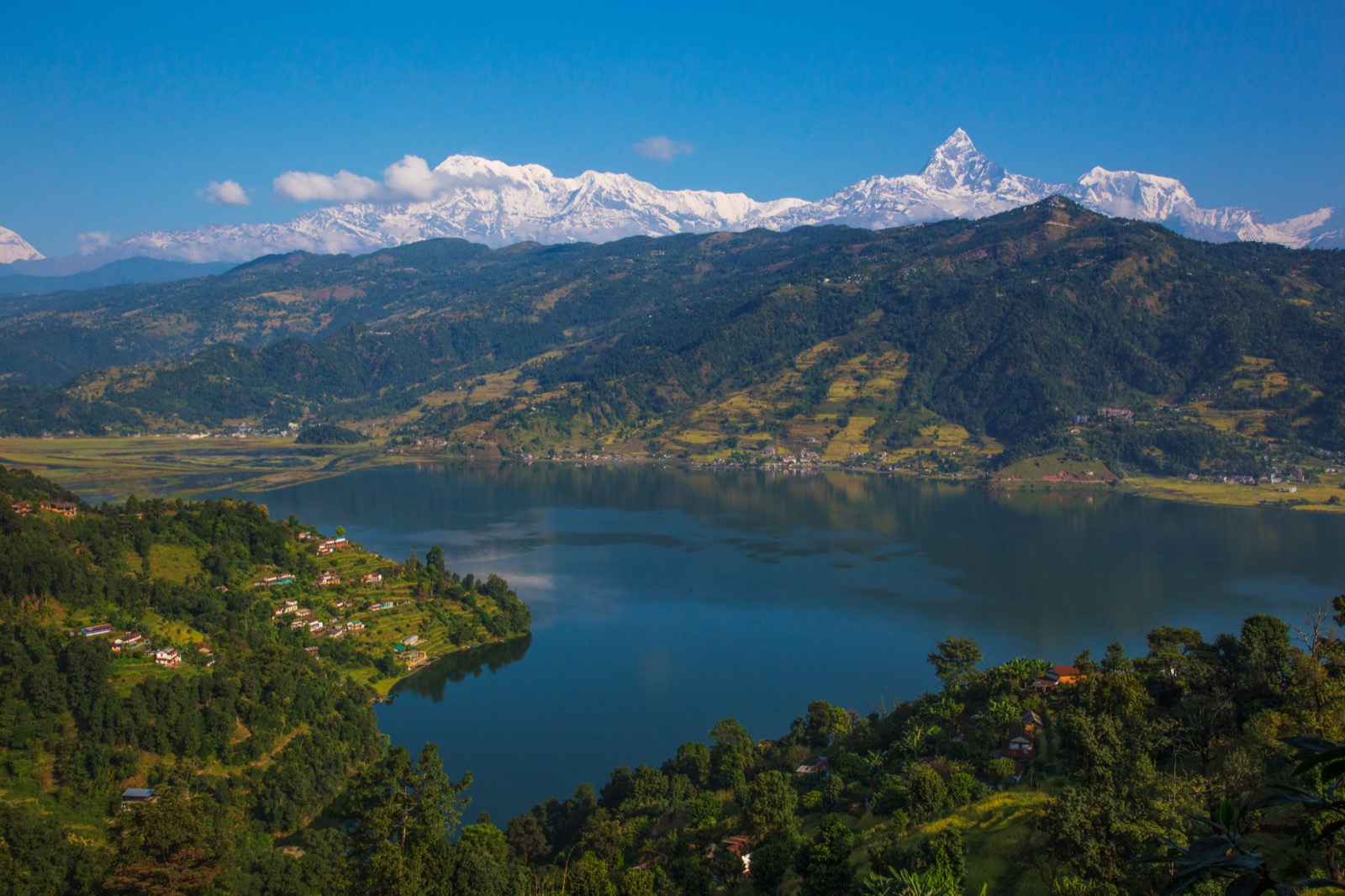
A Lakeside dinner institution since 1991 for steaks, grills, pizza, and an easy evening out.
“It has anchored Lakeside dinners for over three decades — the reliable, satisfying choice when you want a real meal after the trail.”
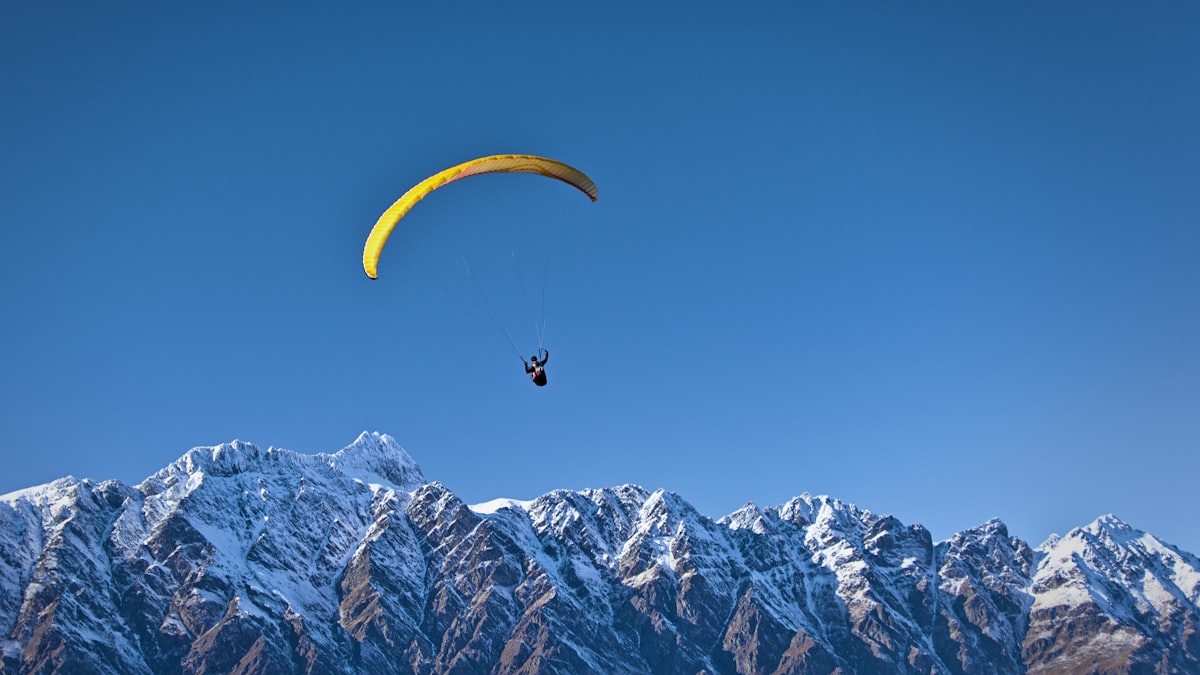
A tandem flight off Sarangkot over Phewa Lake — Pokhara's signature adventure, no experience needed.
“Pokhara is one of the most reliable and beautiful places in the world to fly tandem, and it turns the city's scenery into something you feel rather than just photograph.”
Row or paddle across Phewa to the island temple — the classic hour on Pokhara's water.
Pokhara's defining lake — boat out to the Tal Barahi island temple, catch the mountain reflections, and settle into an easy lakeside pace.
“It is the city's natural anchor and the place that most clearly explains Pokhara's appeal — and the row out to Tal Barahi turns a view into an outing.”
The comfortable Phewa-side base to bookend any Annapurna trek.
“It is the natural, comfortable bookend for every Annapurna trek and the best place to prepare and recover.”
The 4WD link from Pokhara to the trailheads at Nayapul, Kimche, and Kande.
“It is the essential, flexible link between Pokhara and every Annapurna trailhead, and the road-head choices shape each trek's length.”

Lakeside's garden-table institution — big breakfasts and curries under flowering trees.

Pokhara's quietest lake — paddy fields, fish farms, and a ridge-walk link to Begnas.
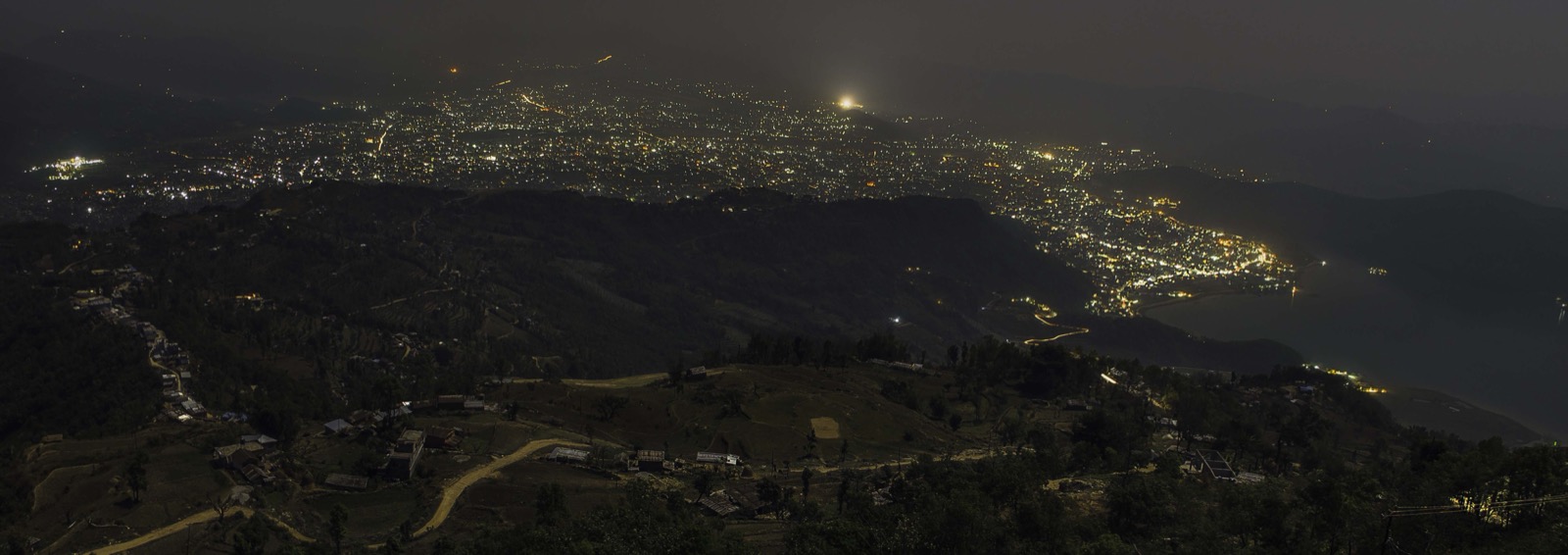
Pokhara's classic ridge viewpoint for sunrise and mountain panoramas.
“It is the city's most recognizable scenic outing and a natural counterpoint to the lakeside.”

The vanishing river — a milky gorge cut deep beneath Pokhara's streets.
Morning yoga facing the Annapurnas — drop-in rooftop and garden sessions before the day begins.
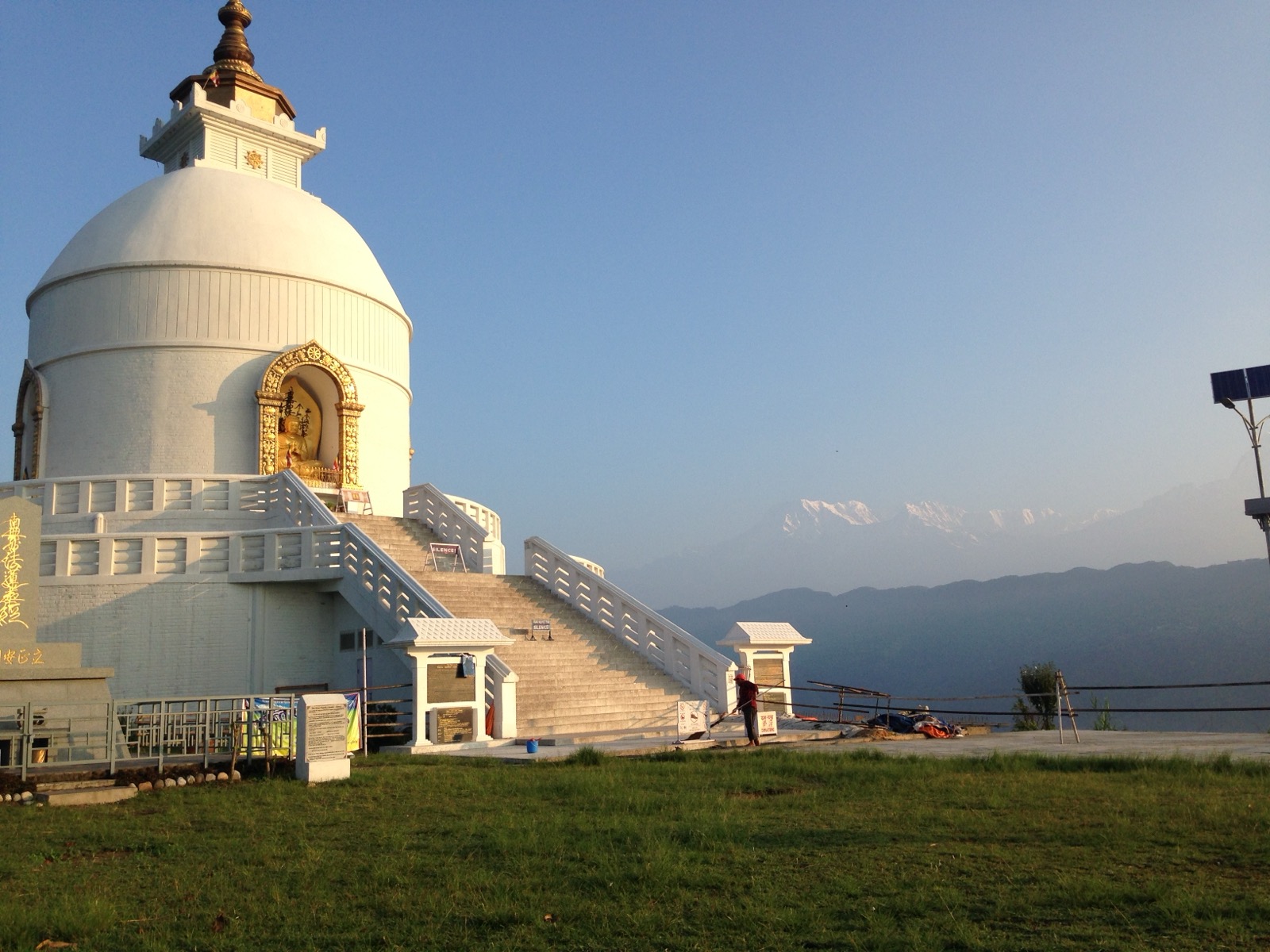
A hilltop stupa with one of Pokhara's best lake-and-city panoramas.
“It offers the clearest blend of sacred architecture and scenic payoff in Pokhara.”
A calm Lakeside organic cafe known for breakfasts, Nepali-bean coffee, and standout cakes.
“It is the Lakeside standby for a clean organic breakfast and the city's most reliable cake fix — an easy anchor for a slow Pokhara morning.”
Skip Lakeside for a day — quiet water, terraced ridges, and fresh fish at the two lakes Phewa used to be.
The perfect first Himalayan overnight: a Gurung village at sunset, teahouses under the fishtail peak, and an easy forest descent — no altitude, no experience needed.
Two days that cover Pokhara properly — sunrise on the ridge, an hour on the lake, garden dinners, and the pagoda panorama before you head home.

The valley's best two-day escape: sunrise on the Dhulikhel ridge, a monastery morning at Namobuddha, and Newar lanes in Panauti — back in town by Sunday dinner.
A late-afternoon-to-evening plan on Phewa Lake: the sunset view from the World Peace Pagoda, a golden-hour boat to Tal Barahi, and dinner on Lakeside.
“It strings together Pokhara's three best evening pleasures — the long view, the lake at golden hour, and a relaxed dinner — into one easy arc.”
A clean first introduction to Pokhara built around the lake, the classic viewpoints, one sacred landmark, and one museum stop for mountain context.
“These are the most useful starter listings for understanding Pokhara's mix of scenery, calm, and mountain culture.”
A scenic Pokhara day built around the lake, a high viewpoint, and a hilltop stupa, designed for travelers who want maximum visual payoff without overcomplicating the route.
“These three stops create the clearest single-day scenic arc in Pokhara.”
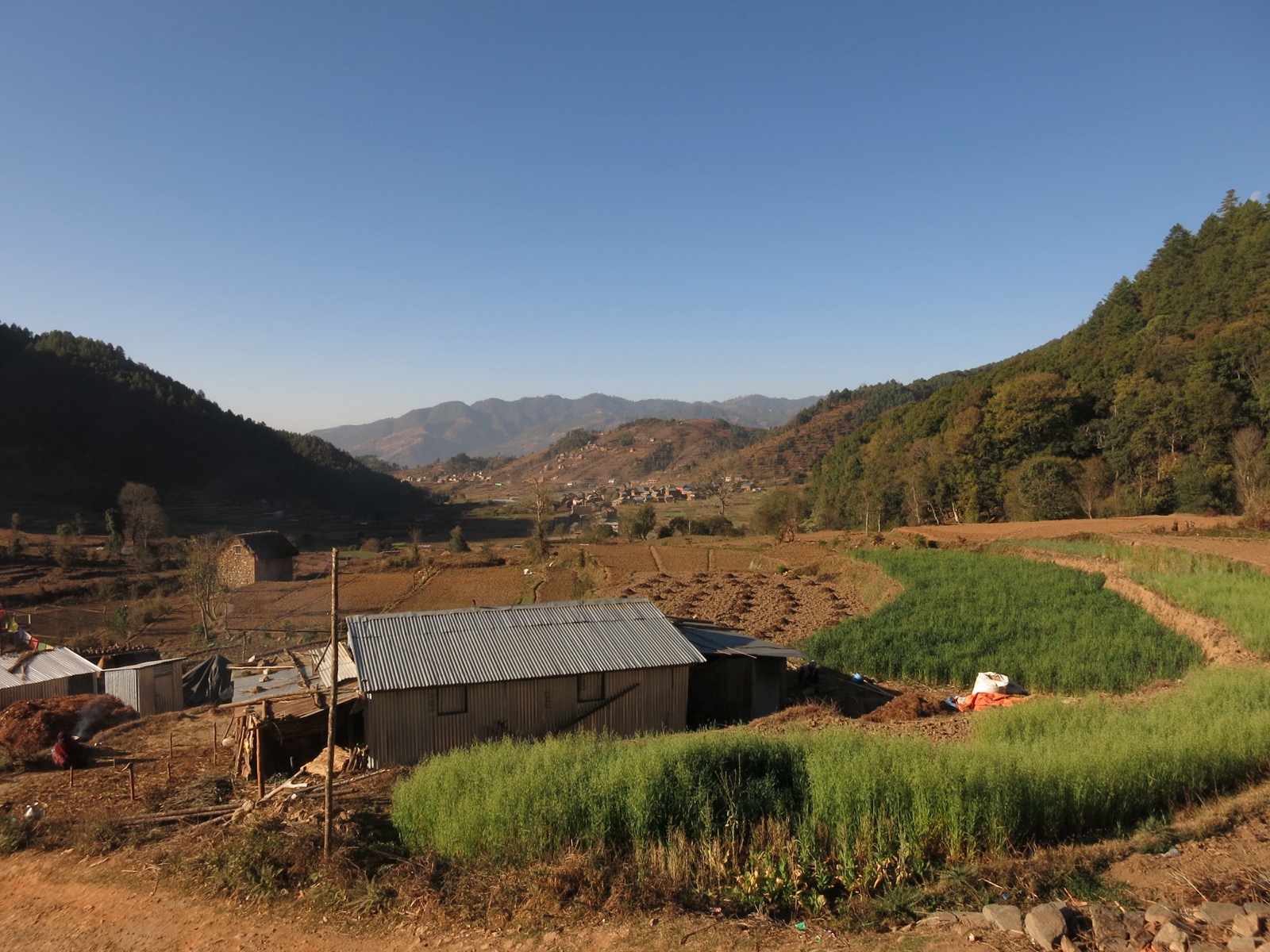
An easy one- to two-night escape over the southern rim of the valley: a Newar village homestay in Chitlang, boating on the Kulekhani reservoir, and an optional sunrise detour to Daman's Himalayan view tower.
“It is the most accessible "real getaway" from Kathmandu — village, lake, and big mountains in one short, flexible loop.”