


Baber Mahal Vilas
Kathmandu · Boutique Hotel
Rana-era villa suites in the quiet Baber Mahal complex — old Kathmandu without the dust.
Destination
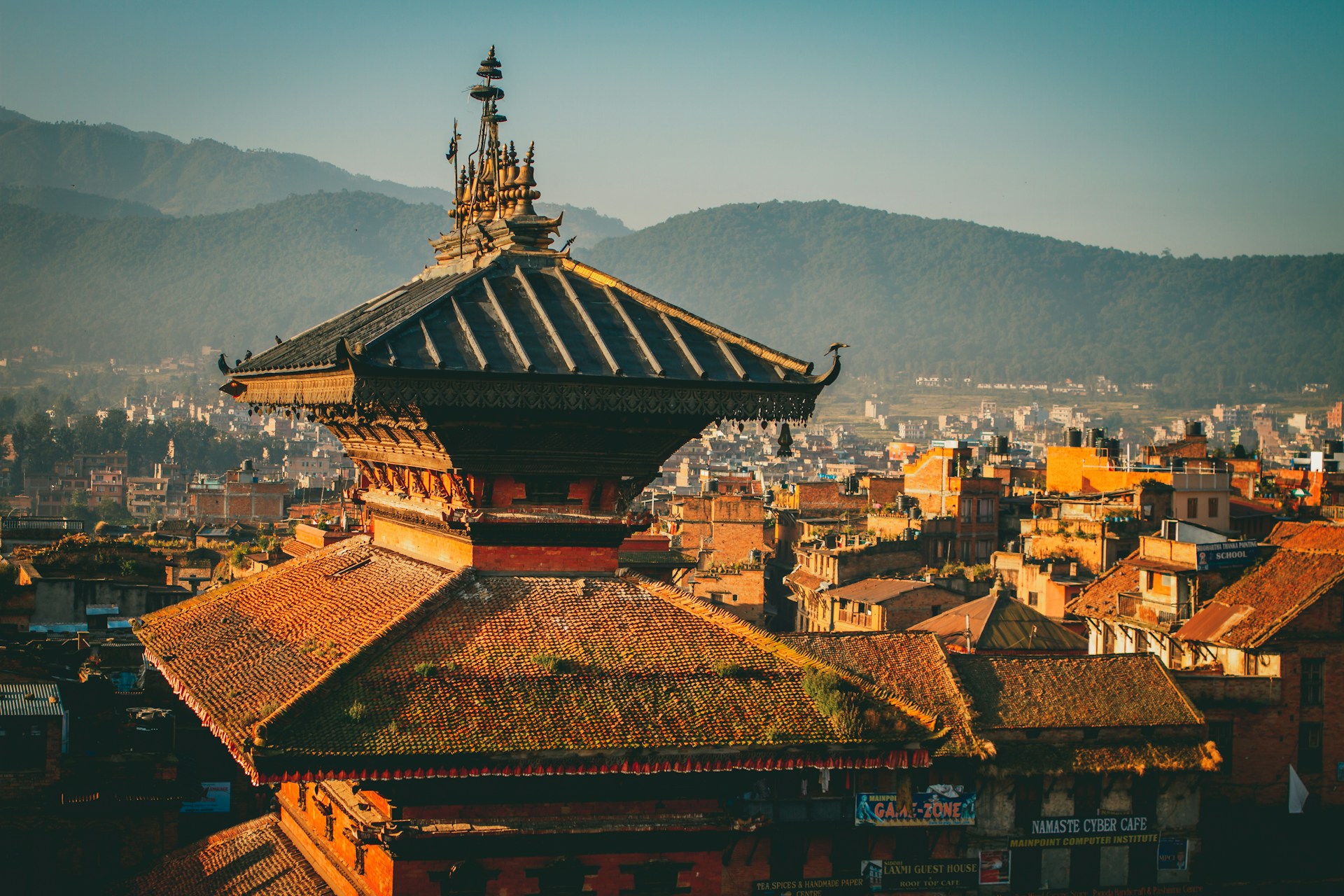
Nepal's capital and the gateway nearly every visitor passes through — a dense valley city layered with medieval Newar temples, Buddhist stupas, Hindu pilgrimage sites, markets, and rooftop cafes.
Kathmandu is Nepal's capital and the city nearly every visitor passes through — a dense, layered place where medieval Newar temples, Tibetan Buddhist stupas, and Hindu pilgrimage sites sit among traffic, markets, and rooftop cafes. It anchors the Kathmandu Valley, which also holds the old royal cities of Patan (Lalitpur) and Bhaktapur. Most trips to Nepal begin and end here.
The valley's headline sights are its three Durbar (royal) squares, the great stupas at Boudhanath and Swayambhunath, and the riverside Hindu complex at Pashupatinath. But the city rewards wandering as much as monument-ticking: the old market lanes around Ason and Indra Chowk, the hidden courtyards (bahals) behind the main streets, and the slow circuits of pilgrims at dusk.
To turn that into days, start with the First-Time Kathmandu Valley collection for the classics, the Sacred Kathmandu Day route for stupas and temples, Durbar Square Day to link the three royal squares, or Quieter Kathmandu Corners when you want a calmer, repeat-visitor pace.
Taxis (agree the fare first) and ride apps like Pathao and inDrive are the easy way to cross the city; walking is best within each old quarter. Traffic and dust are real — build in buffer time, and don't pack more than two or three major stops into a day.
Autumn (Oct–Nov) and spring (Mar–Apr) are clearest and most comfortable. Winter mornings are cold but often crisp and clear; monsoon (Jun–Aug) is green and quiet but hazy, with afternoon downpours — keep plans loose and lean on indoor heritage, museums, and cafes.
Temple entry fees, opening hours, and which inner sanctums are open to non-Hindus change over time, and post-earthquake restoration is still ongoing at several heritage sites. Treat this guide as a starting point and confirm specifics locally on the day.
Field guide
Start here
A valley weekend that works for parents and grandparents — cable cars instead of climbs, wide squares, garden lunches, and a ridge sunset to finish.
Best for
sacred-sites, evening-visits, photography
Good in
Start with a guide: Clock out and switch off — a Friday-evening arc from garden drinks to old-city lanes, a big dinner, and a night kora at Boudha.
On the map
Rana-era villa suites in the quiet Baber Mahal complex — old Kathmandu without the dust.

Kathmandu's charcoal-grilled sekuwa institution — loud, lively, and built for groups.
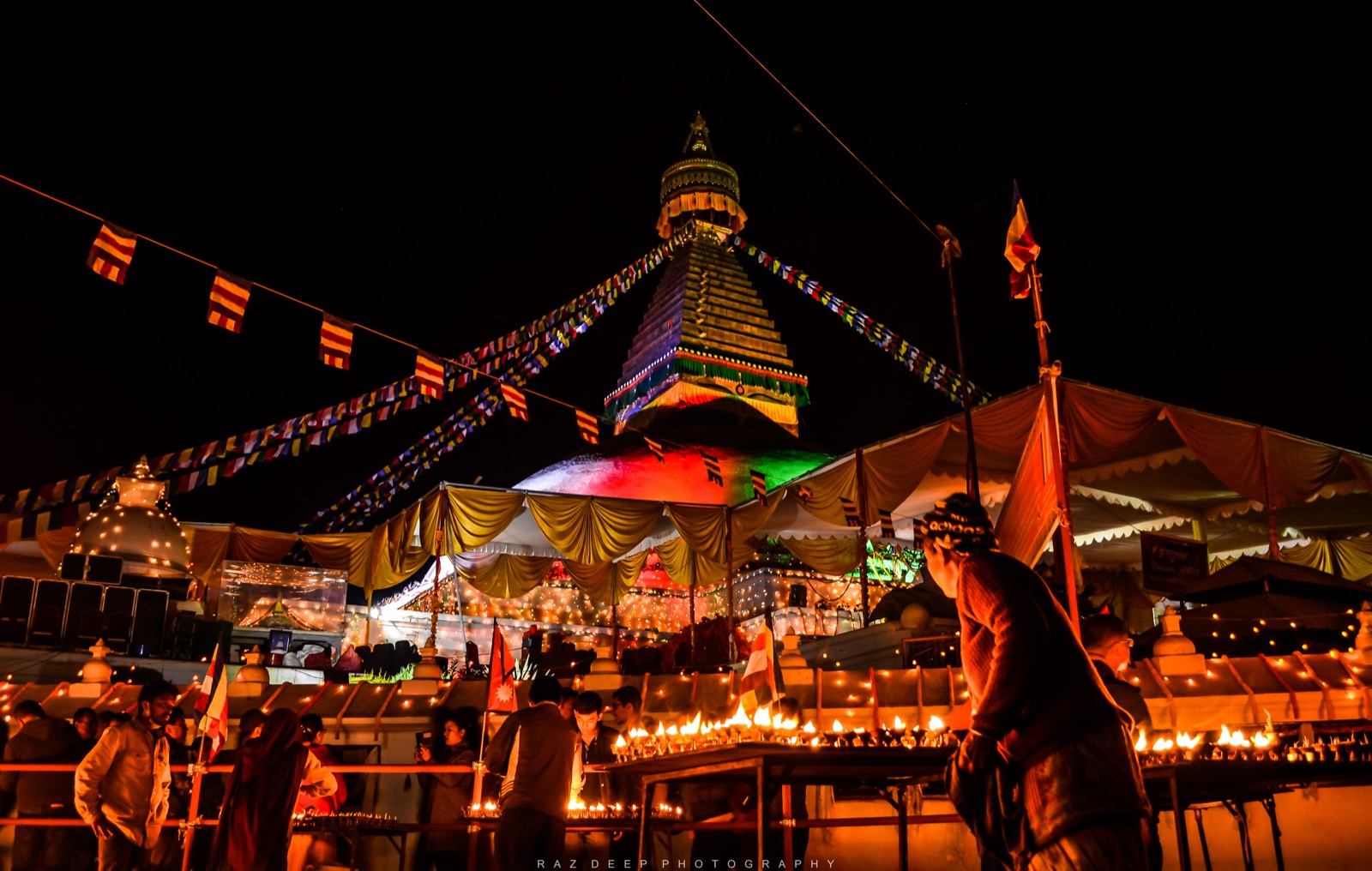
The valley's most immersive stupa circuit, especially at dusk.
“Few landmarks make living Buddhist practice so visible and approachable throughout the day.”

May 20-May 20
Full-moon celebrations of the Buddha's birth and enlightenment at Swayambhu and Boudha, each May.
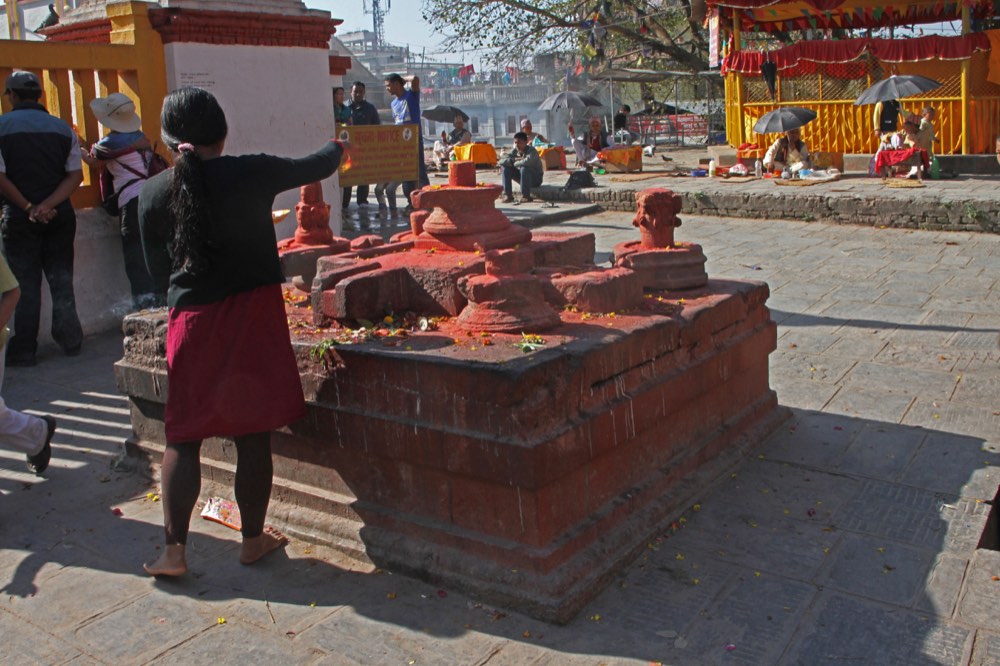
An unusual open-air Vishnu shrine animated by strong local devotion.
“The reclining stone image is distinctive, and the visit fits naturally into a northern Kathmandu route.”

Check next date
Nepal's biggest festival — fifteen days of tika blessings, bamboo swings, and family reunions each October.

A living museum of salvaged Newari craftsmanship — Nepal's definitive heritage hotel.

An hour-long flight along the Himalaya with a window seat on Everest — no trekking required.

Thamel's wood-fired pizza landmark since 1987 — the dependable crowd-pleaser dinner.

Check next date
A procession of cows, costumes, and satire through the old city each August, honoring the year's departed.
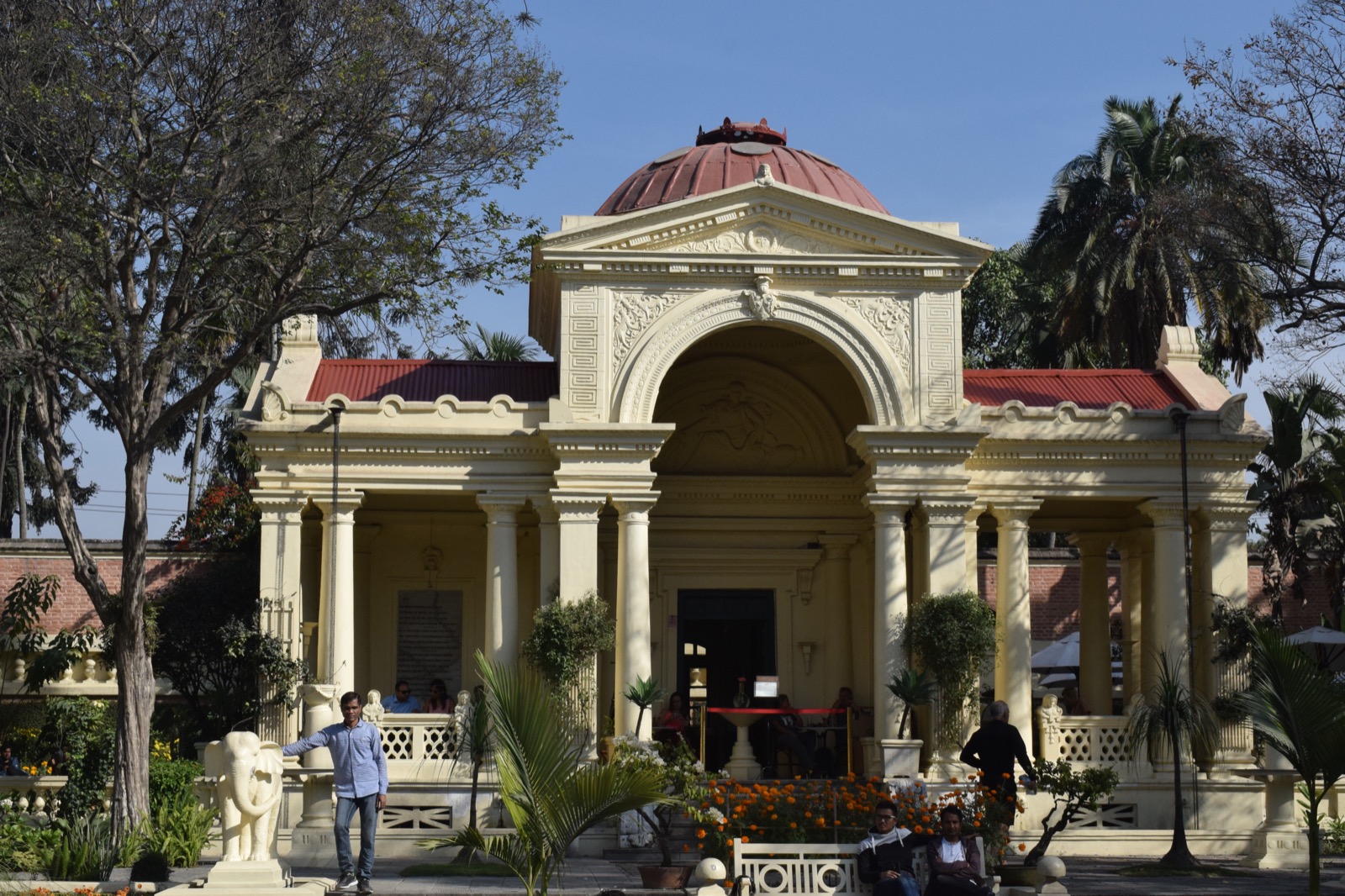
A convenient green retreat for slowing down near Thamel.
“It is central, easy to visit, and offers a genuine change of pace from temples, traffic, and dense streets.”

Apr 6-Apr 6
Cavalry races at Tundikhel and deity processions through the old city — Kathmandu's spring pageant.

Mar 22-Mar 22
The old city drenched in color — Nepal's rowdiest, happiest festival, each March.

Check next date
Kathmandu's grandest jatra — chariots, masked Lakhey dances, and the Kumari's public appearance each September.

A half-day forest climb to a stupa-topped ridge with the whole valley at your feet — back down by lunch.
Coffee and cold drinks under the Garden of Dreams pavilion — central Kathmandu's calmest table.
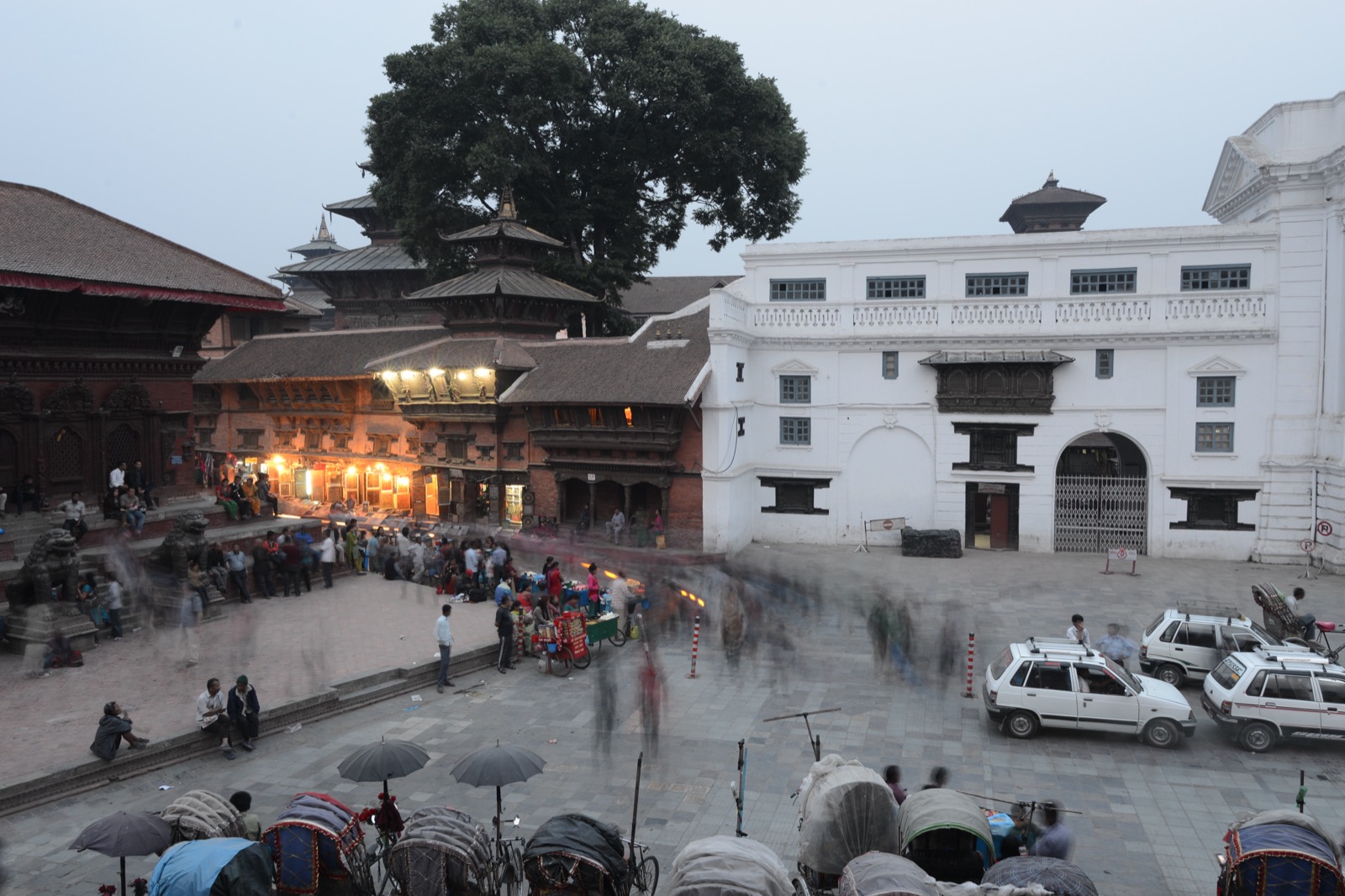
The capital's essential royal square for temples, courtyards, and living heritage.
“It brings architecture, history, ritual, and old-city atmosphere together better than almost anywhere else in central Kathmandu.”

The original Thamel traveler hub since 1967 — a walled garden of calm in the middle of the noise.

A slow loop from Durbar Square through Ason's spice bazaars and hidden courtyards — the old city at street level.
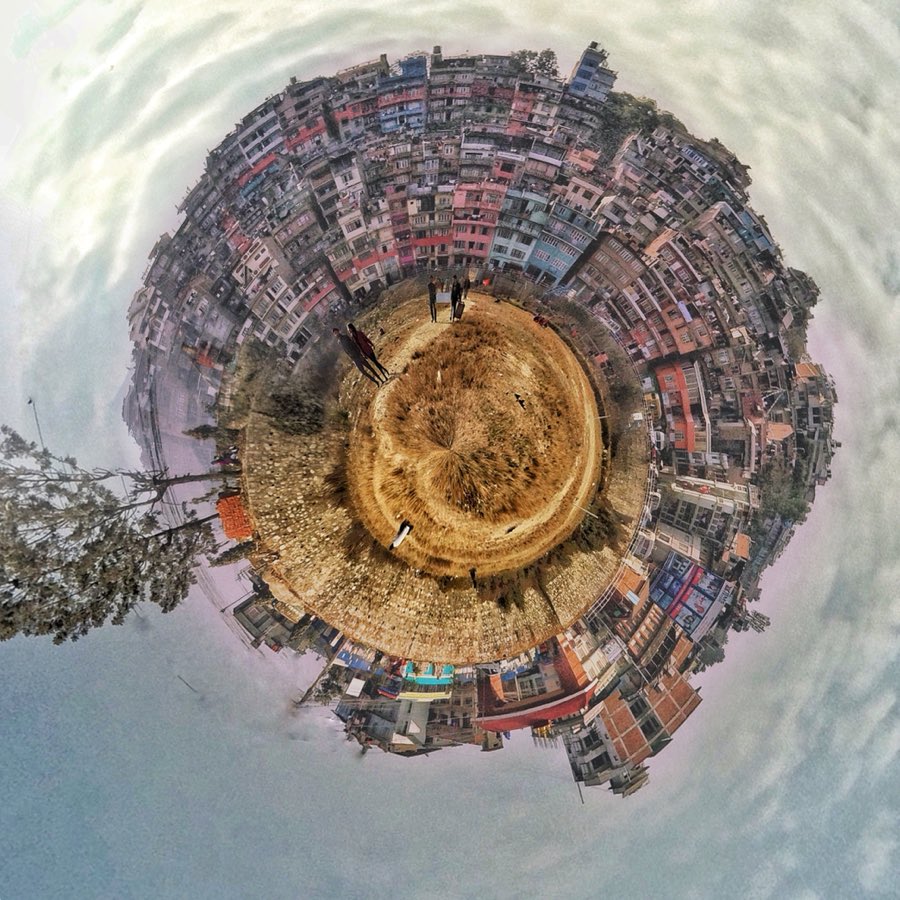
A lived-in hill town for heritage lanes, local food, and a slower valley perspective.
“It balances famous monument visits with a more grounded experience of traditional neighborhoods and everyday culture.”
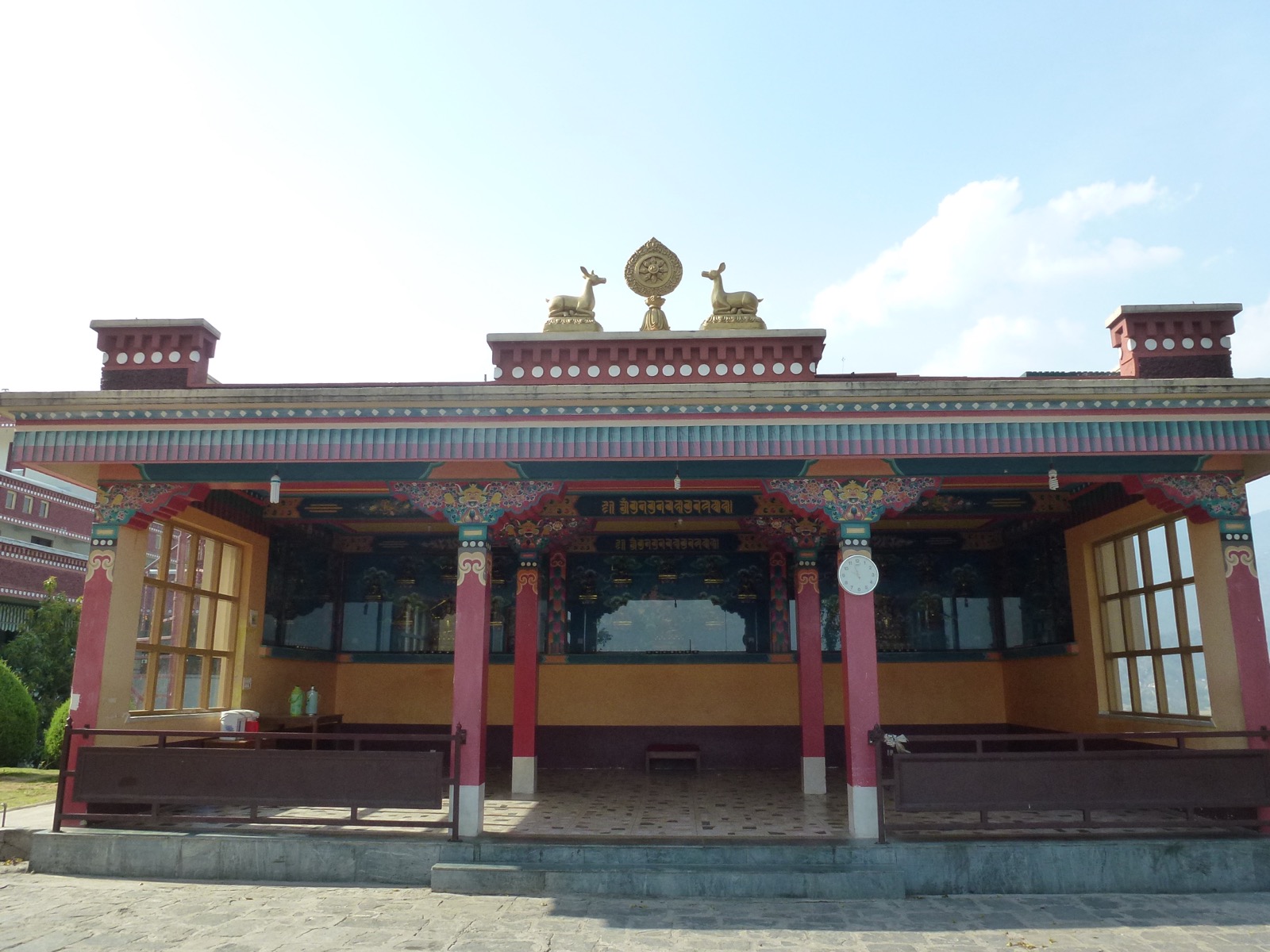
A peaceful hilltop monastery suited to reflection, learning, and city views.
“It offers a calmer and more contemplative encounter with living Buddhist practice.”

Feb 6-Feb 8
Tibetan New Year at Boudha — repainted stupas, cham mask dances, and butter lamps in winter.

Mar 6-Mar 6
A million pilgrims and an encampment of sadhus — the great night of Shiva at Pashupatinath, each February–March.
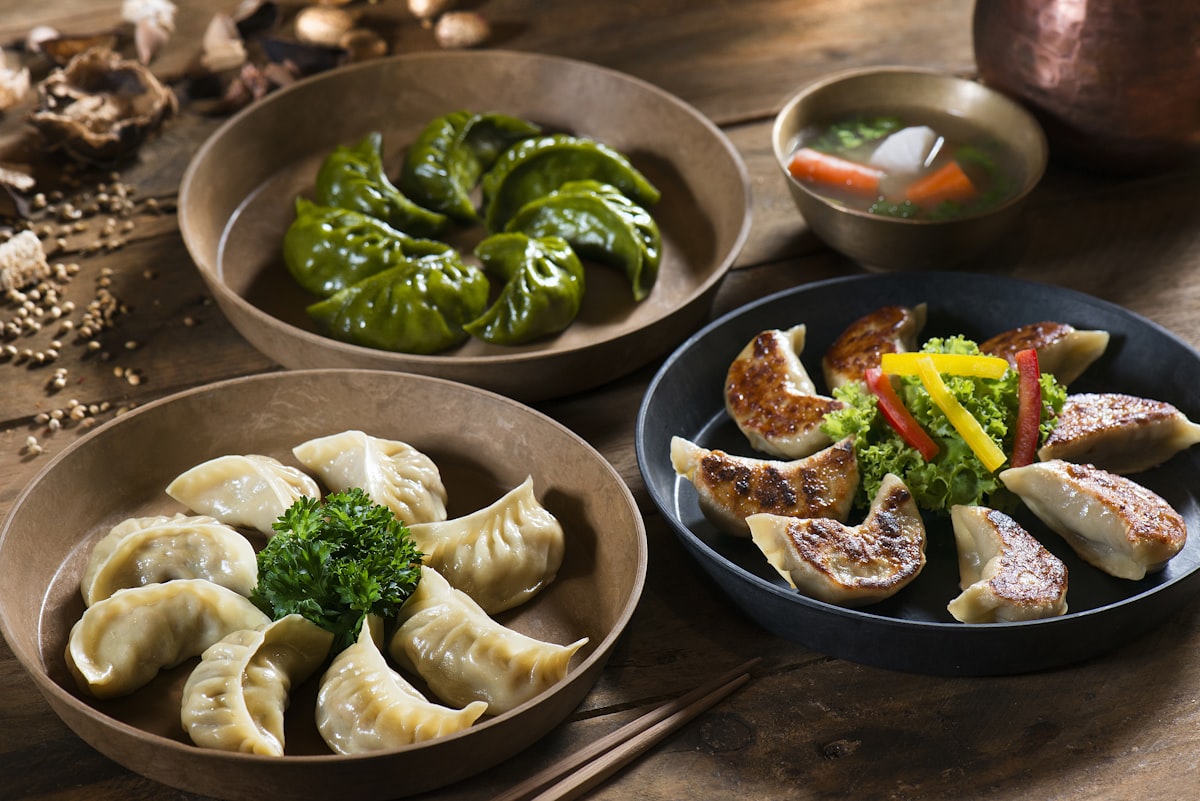
A 1960s Kathmandu momo institution near Durbar Square, famous for buff momo in signature jhol.
“It is a genuine Kathmandu momo institution — a recipe handed down for sixty years and a local rite of passage, not a tourist invention.”

Inside the Shah kings' palace — mid-century royal Nepal, preserved since 2008.

Nepal's oldest museum — sculpture, bronzes, and arms in a Rana-era building below Swayambhu.

Shop the market, then fold, pleat, and steam your way through momo and dal bhat in a half-day class.
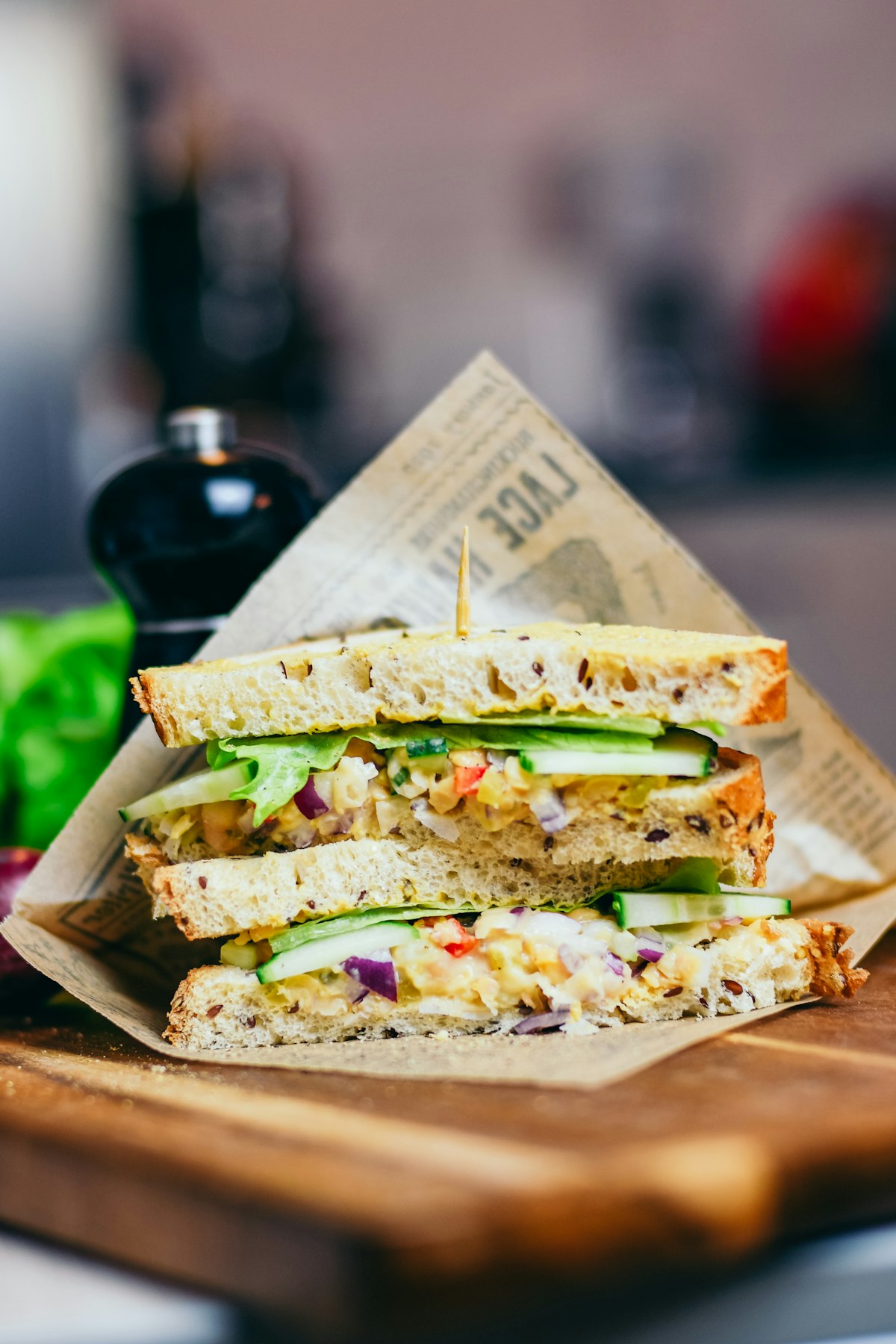
A long-running, fully vegetarian Thamel institution for hummus, falafel, and lingering on floor cushions.
“It is a genuine Thamel institution and one of the city's most dependable vegetarian kitchens — social, generous, and easy to love after a long travel day.”
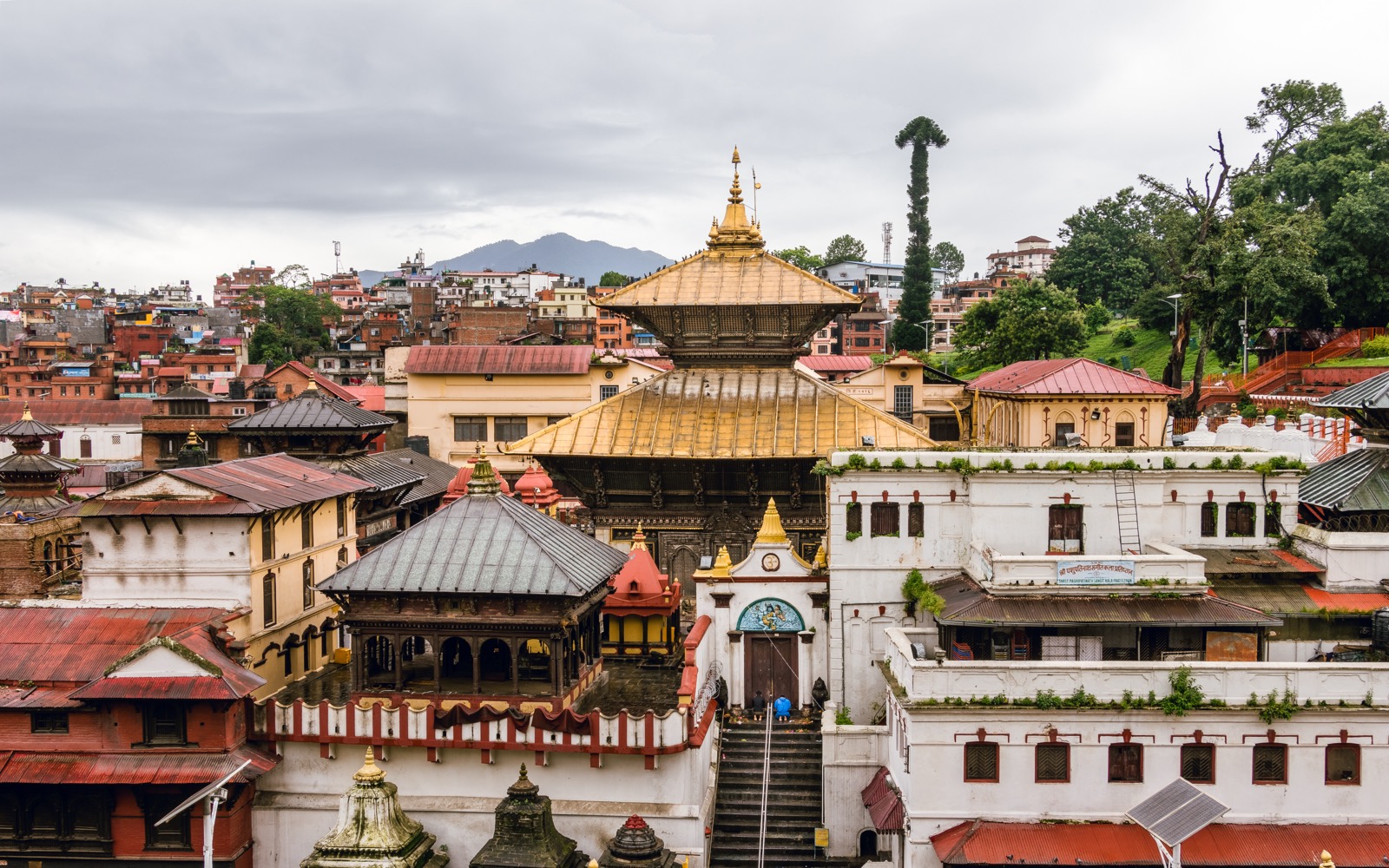
A profound riverside pilgrimage complex where ritual life is fully visible.
“It is one of the valley's most significant sacred places and offers cultural depth far beyond architecture alone.”

Thamel's benchmark European-style bakery, with a quiet garden patio for breakfast.
“It has been the neighborhood's reliable bakery for decades, and the hidden garden makes it more than just good bread.”

A white-walled nunnery on the western ridge with one of the valley's best sunset vantages.

A forested escape onto the valley's northern rim — monastery stops, birdsong, and Langtang views.
A rooftop overlooking Boudhanath Stupa, with a calm vegetarian menu and the best seat at dusk.
“No other table frames Boudhanath as well at dusk — it turns a meal into the best seat above the stupa.”

Waterfalls and swimming holes forty minutes from town — the easiest escape on the northern rim.
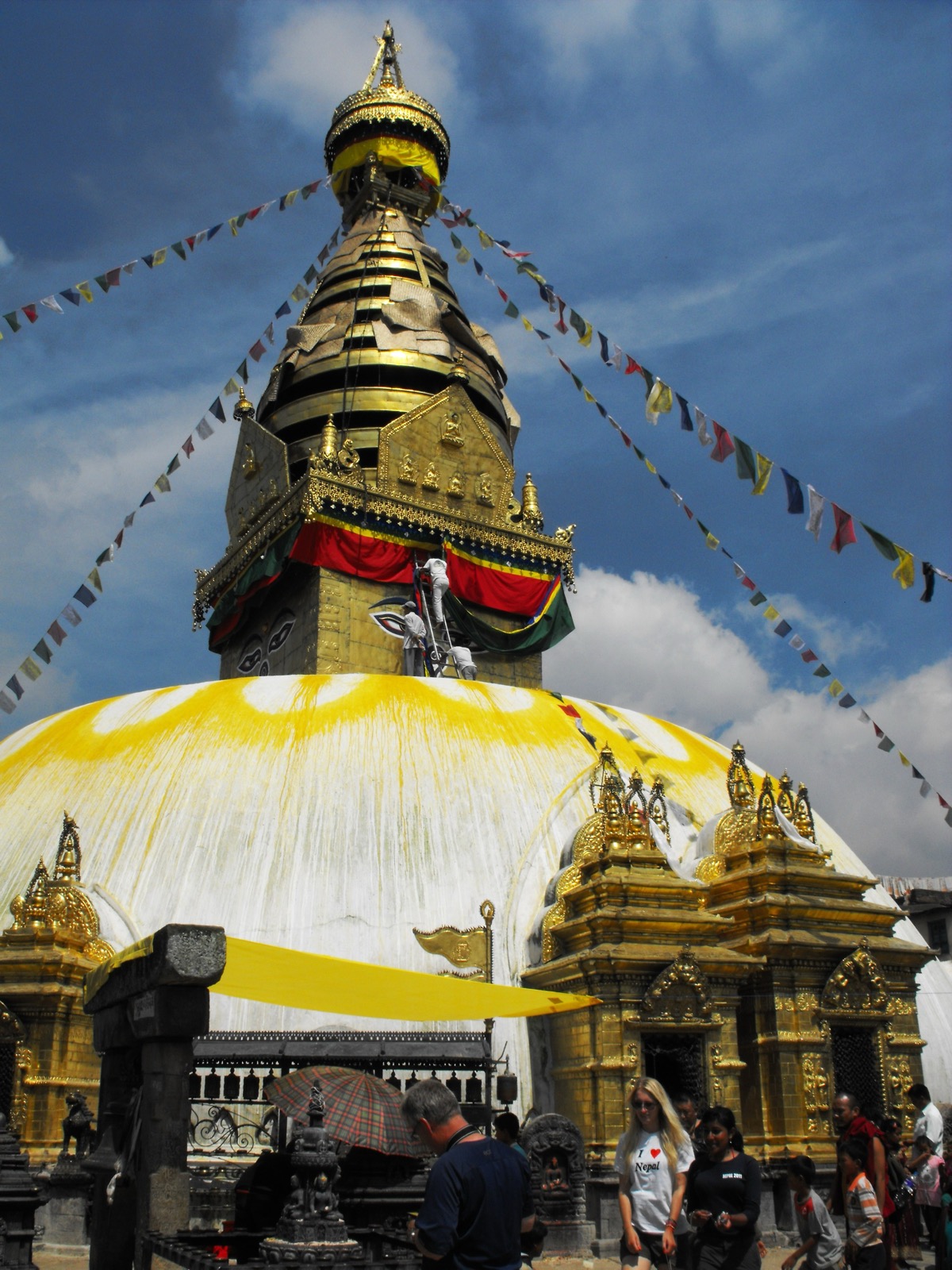
A sacred hilltop stupa with panoramic valley views and deep spiritual atmosphere.
“It delivers both a major cultural landmark and one of the most accessible panoramic viewpoints in the city.”

The valley's little birding lake — winter migrants, fish feeding, and an easy afternoon loop.

Learn the sacred geometry of Buddhist art and paint your own thangka fragment beside Boudha's stupa.

Nov 8-Nov 11
Five days of lamps, garlanded dogs, and door-to-door carols — the festival of lights, November's highlight.

The benchmark Thakali dal bhat set in Kathmandu — refills until you surrender.

Dec 23-Dec 23
The Newari full moon of sweet rice dumplings — the valley's most delicious festival each December.

A valley weekend that works for parents and grandparents — cable cars instead of climbs, wide squares, garden lunches, and a ridge sunset to finish.
A one-day circuit for clearing your head — hilltop quiet, slow circuits, hands-on focus, and a garden to end in. No group required.
A full weekend under NPR 2,000 a day — ridge hikes, free heritage towns, momo runs, and bus-accessible villages. Rich experiences, thin wallet.
Clock out and switch off — a Friday-evening arc from garden drinks to old-city lanes, a big dinner, and a night kora at Boudha.

The valley's best two-day escape: sunrise on the Dhulikhel ridge, a monastery morning at Namobuddha, and Newar lanes in Panauti — back in town by Sunday dinner.
Five hikes you can finish before lunch on a Saturday — forest climbs, waterfalls, and ridgelines all within an hour of the office.
Twelve festivals that own the valley's streets, in calendar order — chariots, lamps, colors, and processions, with confirmed dates for the coming year.
Valley days that work for kids, grandparents, and everyone between — cable cars, monkeys, pottery wheels, and easy viewpoints.

Monsoon afternoons and hazy days, solved — indoor heritage, hands-on workshops, and slow cafes across the valley.
Big tables, shared plates, and places that don't mind if you stay for hours — where to gather the group in Kathmandu and Patan.
Evening plans built for two — quiet corners, golden-hour views, and dinners worth dressing up for across Kathmandu, Patan, and Bhaktapur.
A late-morning walk through Kathmandu's old city, eating as you go: the Durbar Square, a classic momo stop, the market lanes of Indra Chowk and Ason, and a garden bakery to finish.
“It turns the old city into a meal — the best way to taste Kathmandu while walking its most historic streets.”
A calm late-afternoon-into-dusk plan around Boudhanath: a hilltop monastery, the great stupa as the lamps are lit, and dinner on a rooftop above the kora.
“Dusk is when Boudha comes alive — this plan times the kora and a rooftop dinner for the most atmospheric hour of the day.”
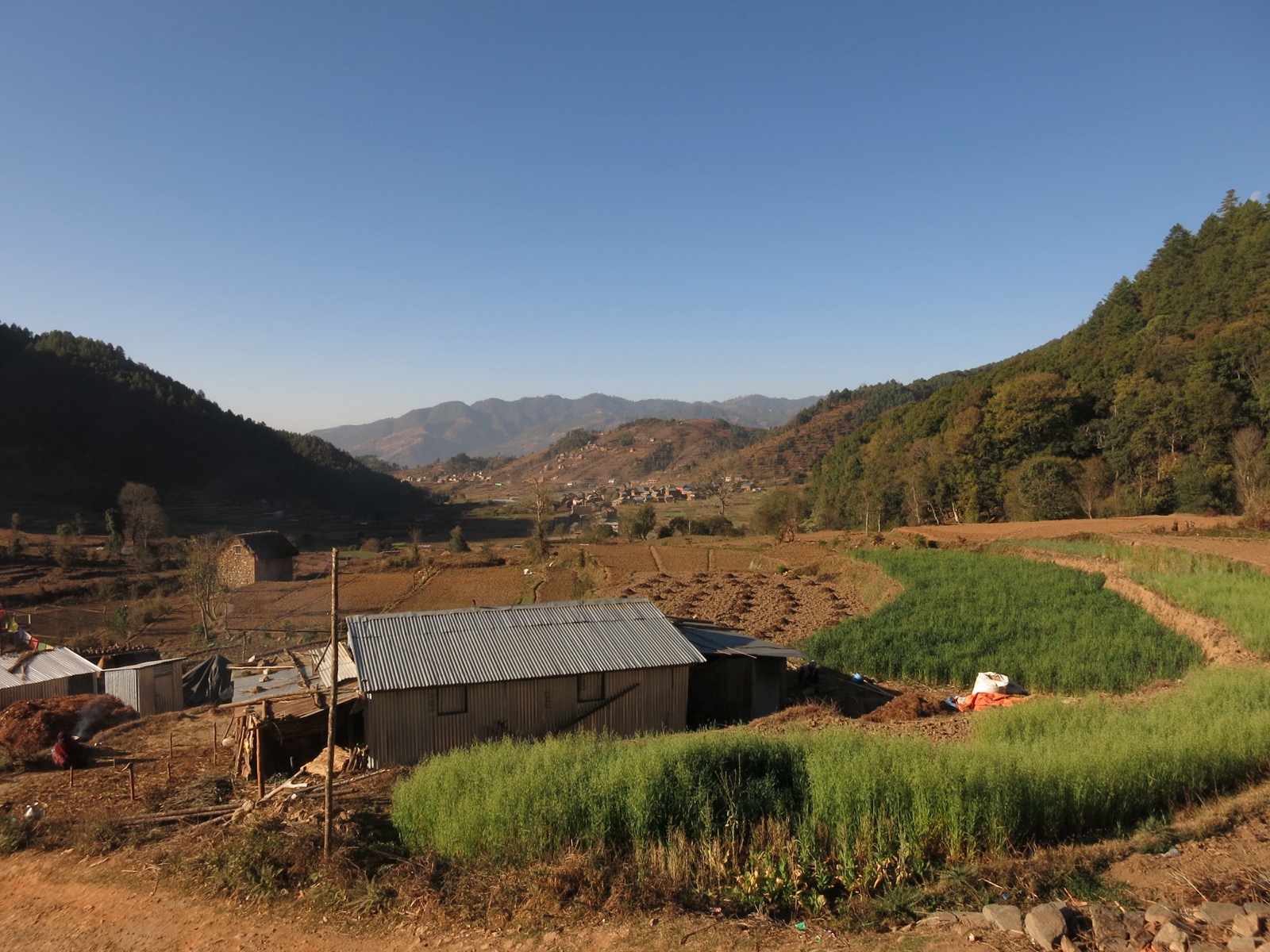
An easy one- to two-night escape over the southern rim of the valley: a Newar village homestay in Chitlang, boating on the Kulekhani reservoir, and an optional sunrise detour to Daman's Himalayan view tower.
“It is the most accessible "real getaway" from Kathmandu — village, lake, and big mountains in one short, flexible loop.”
A one-day route through Kathmandu's most powerful sacred landmarks, moving from hilltop calm to riverside ritual and ending around the great stupa at Boudha.
“These three sites create the clearest sacred-heritage day in Kathmandu without feeling repetitive.”
A full day of hopping between the Kathmandu Valley's three most rewarding Durbar Squares, moving from the dense royal core of Kathmandu to Patan's refined courtyards and ending in Bhaktapur's expansive old-city streets.
“It links the valley's three most important royal squares into a route that feels coherent, rewarding, and easy to understand.”
A gentler collection of places for travelers who want calmer neighborhoods, contemplative spaces, and a softer pace than the valley's busiest headline landmarks.
“These listings work best together when the goal is atmosphere and pacing rather than headline monument-hopping.”
A strong first pass through the Kathmandu Valley's headline heritage sites, balancing royal squares, major sacred landmarks, and one longer old-city wander.
“These are the listings that most clearly deliver the valley's signature mix of architecture, ritual life, and urban heritage.”